

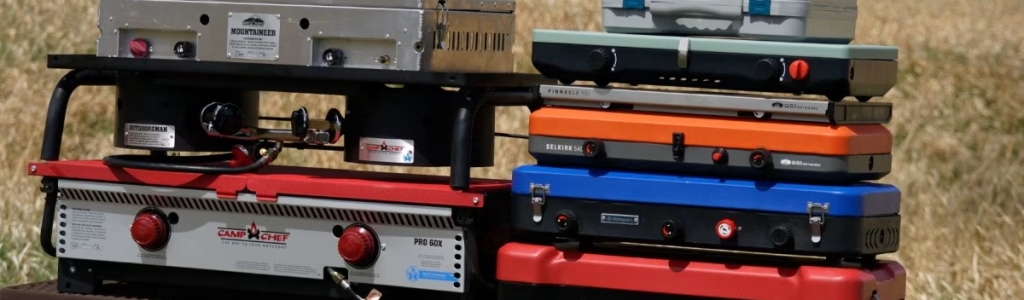
Portable Camping Stove Reviews: Finding Your Perfect Outdoor Kitchen Companion
There’s something truly magical about cooking outdoors. The scent of pine needles, the crackle of a campfire, and the sizzle of a freshly prepared meal under the open sky – it’s an experience that connects us to nature and to each other. But let’s be honest, relying solely on a traditional campfire for all your culinary needs can be a bit… unpredictable. That’s where a reliable portable camping stove comes in. It’s not just a piece of gear; it’s your ticket to gourmet meals in the wilderness, a hot cup of coffee on a chilly morning, and the peace of mind that comes with consistent, controlled heat. After countless camping trips, from the rugged trails of the Rockies to the serene shores of the Great Lakes, I’ve come to appreciate the sheer convenience and versatility these stoves offer. They transform outdoor cooking from a chore into a joy, allowing you to focus on the adventure, not the struggle.
Why a Reliable Portable Camping Stove is a Game-Changer
Imagine waking up to a crisp mountain air, the sun just peeking over the horizon. The first thing on your mind? A steaming mug of coffee and a hearty breakfast. With a portable camping stove, this isn’t just a dream; it’s a reality. These compact powerhouses offer unparalleled convenience, allowing you to whip up meals quickly and efficiently, regardless of weather conditions or fire restrictions. Forget foraging for firewood or battling stubborn flames; a good camping stove provides instant, adjustable heat, making everything from boiling water for dehydrated meals to simmering a gourmet stew a breeze. They are designed for portability, often folding down into surprisingly small packages that fit easily into your car or backpack. This means less hassle and more time enjoying the great outdoors. From a quick roadside lunch to a multi-day backcountry expedition, a dependable portable camping stove elevates your outdoor culinary experience, ensuring you’re well-fed and energized for whatever adventures lie ahead.
Understanding the Different Types of Portable Camping Stoves
Choosing the right portable camping stove can feel overwhelming with the variety of options available. Each type offers unique advantages, catering to different camping styles and needs. Understanding these distinctions is key to finding the perfect match for your outdoor adventures.
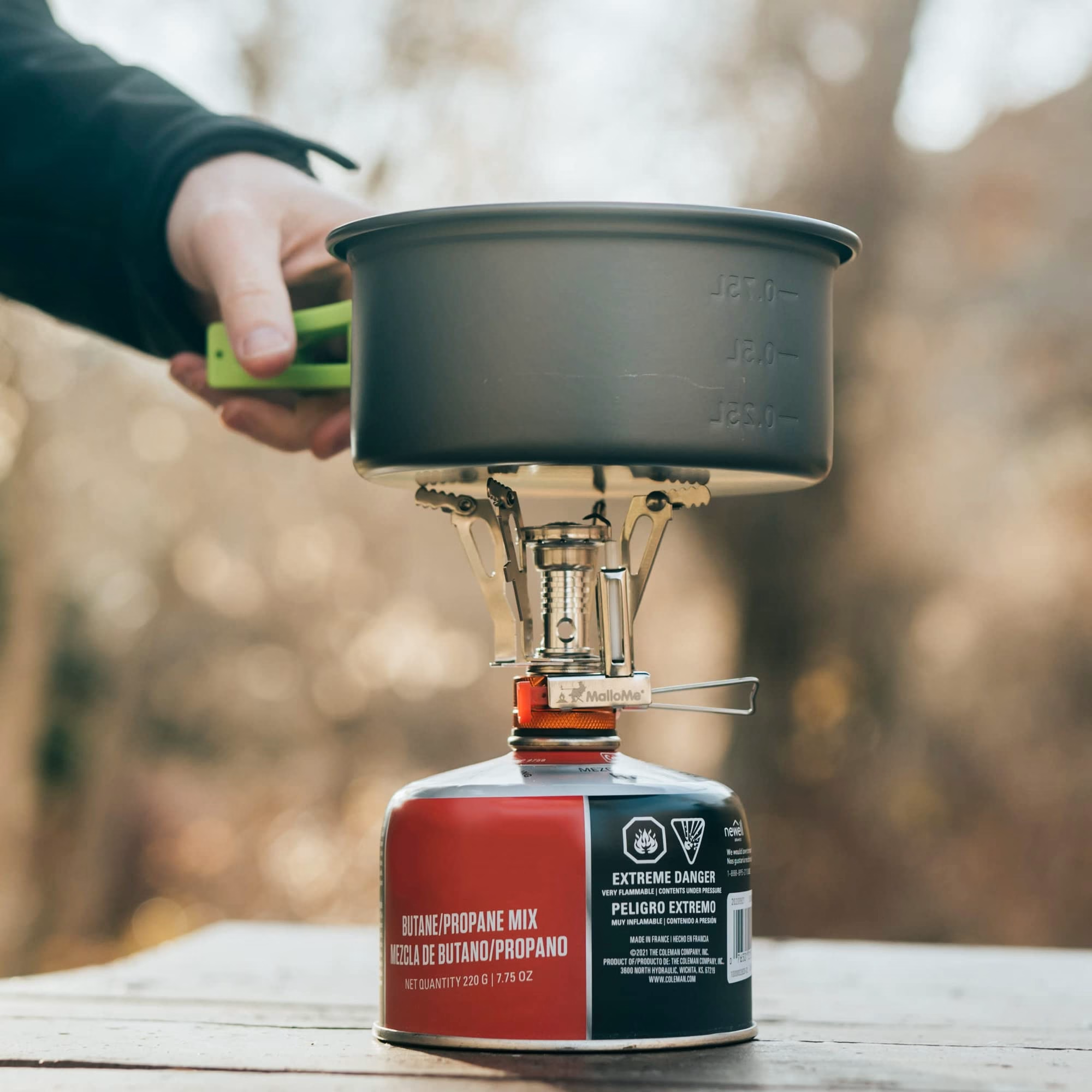
Canister Stoves: Quick and Convenient
Canister stoves are perhaps the most popular choice for many campers due to their simplicity and ease of use. They screw directly onto a threaded fuel canister (typically containing a blend of propane and isobutane) and offer instant, adjustable flame. Their compact size and lightweight design make them ideal for backpacking and quick overnight trips where every ounce counts. I’ve personally relied on canister stoves for countless solo excursions, appreciating how quickly they boil water for my morning coffee or a rehydrated meal after a long day on the trail. They’re incredibly efficient and require minimal setup, making them a go-to for hassle-free cooking.
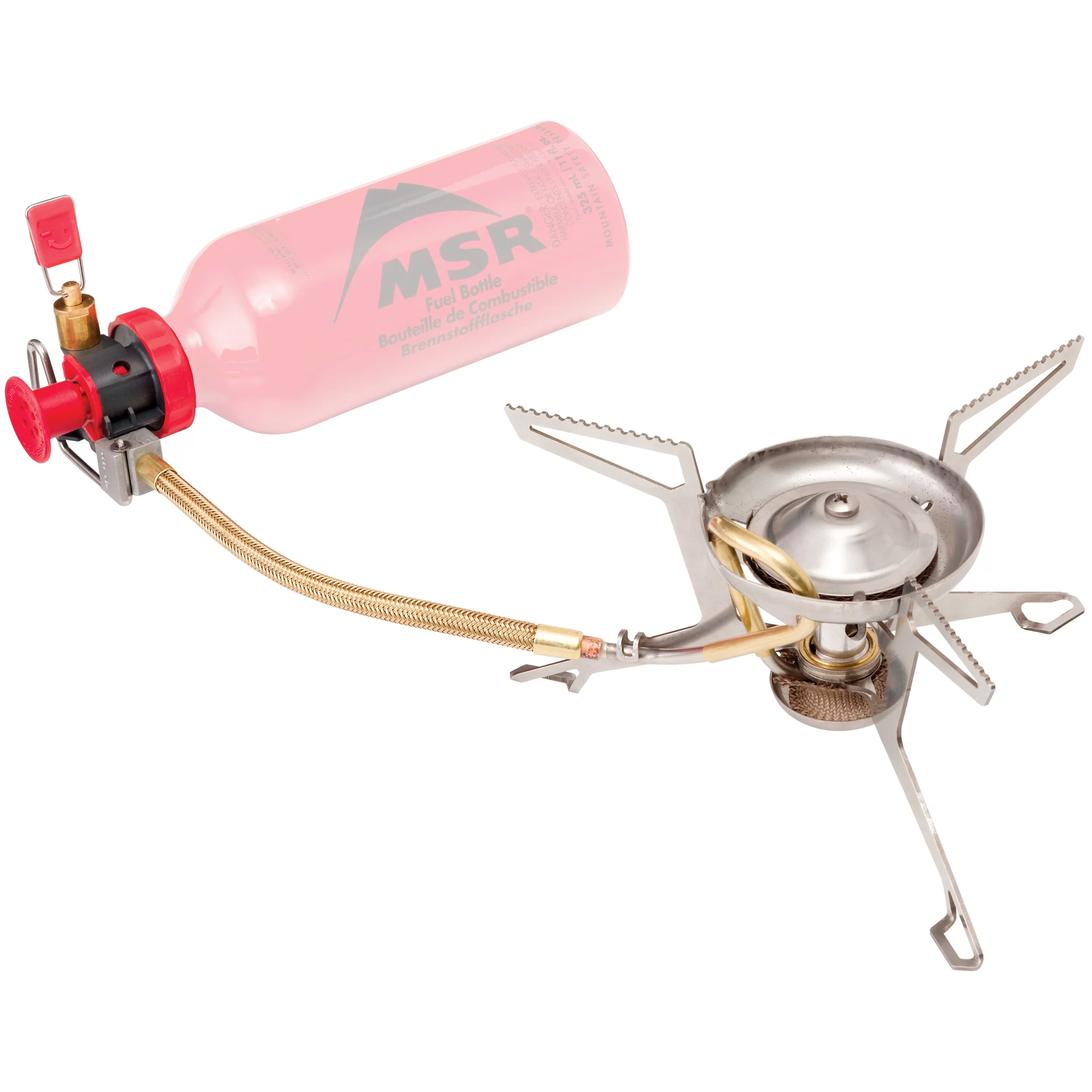
Liquid Fuel Stoves: Robust and Reliable
For those venturing into colder climates or extended trips, liquid fuel stoves are often the preferred choice. These stoves run on white gas, kerosene, or even unleaded gasoline, offering excellent performance in freezing temperatures where canister fuels might falter. While they require a bit more priming and maintenance, their robust construction and ability to be refilled from a bulk fuel bottle make them incredibly reliable for longer expeditions. I remember a winter camping trip where my liquid fuel stove was the only thing that consistently provided hot meals, a true lifesaver when the temperatures dropped well below freezing.
Wood-Burning Stoves: Embrace the Primitive
If you’re looking to truly connect with nature and minimize your reliance on fossil fuels, a wood-burning stove might be your ideal companion. These stoves utilize twigs, leaves, and other small biomass found around your campsite, offering a sustainable and often mesmerizing cooking experience. While they require a bit more effort in terms of fuel collection and fire management, the satisfaction of cooking over a natural flame is unmatched. I’ve spent many evenings gathered around a small wood-burning stove, enjoying the warmth and the gentle crackle as dinner cooked, a truly primal and rewarding experience.
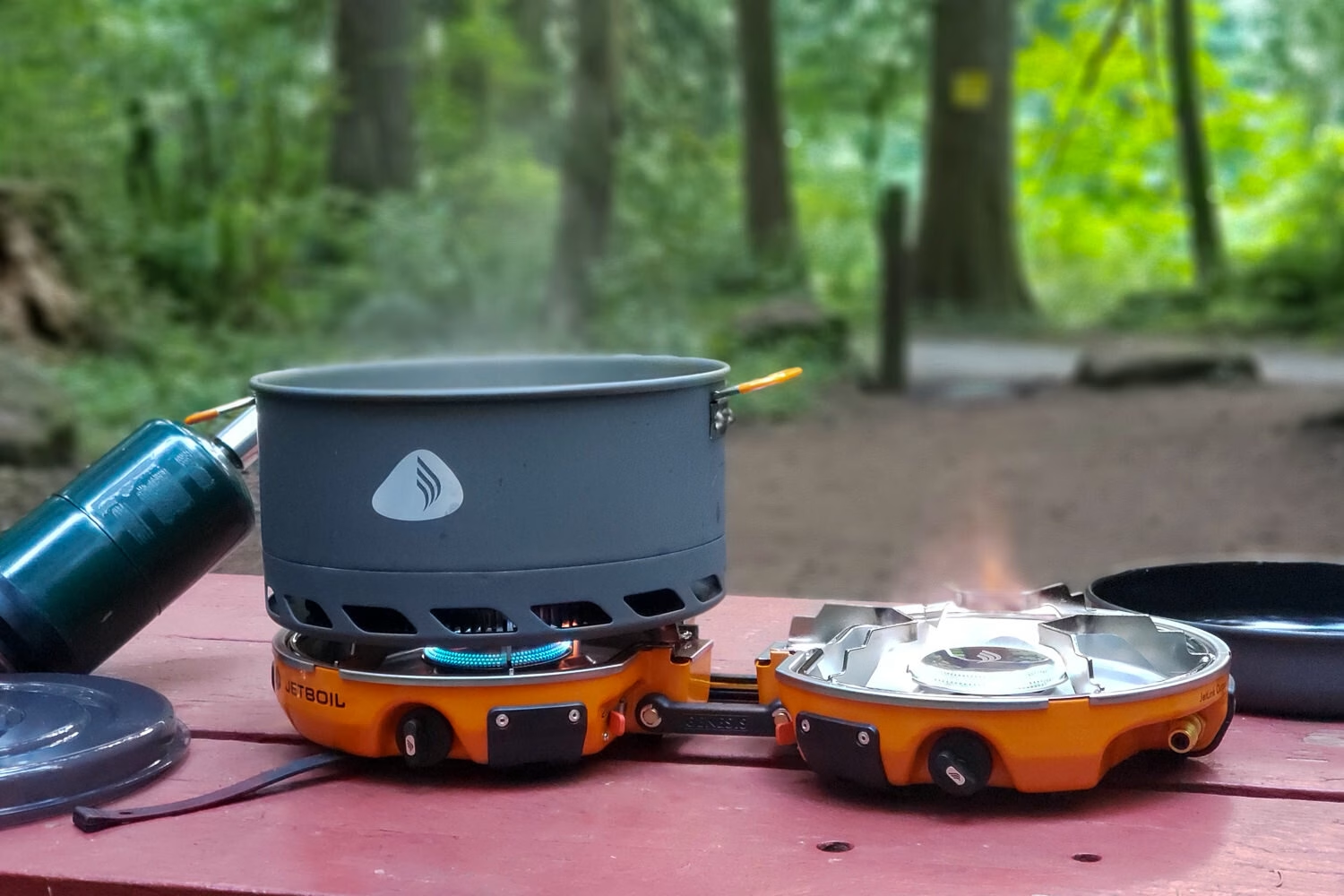
Dual-Fuel Stoves: The Best of Both Worlds
For campers who desire versatility, dual-fuel stoves offer the best of both worlds. These innovative stoves can operate on either canister fuel or liquid fuel, providing flexibility for various conditions and fuel availability. This adaptability makes them an excellent choice for those who embark on diverse camping trips, from quick weekend getaways to more remote adventures. Having the option to switch between fuel types can be a real advantage, especially when you’re unsure about fuel availability in different regions.
Griddle Top Stoves: For the Gourmet Camper
For those who love to cook up a feast at the campsite, griddle top stoves are a fantastic option. These stoves often feature a large, flat cooking surface, perfect for whipping up pancakes, bacon, eggs, or even stir-fries for a hungry group. They bring a touch of home kitchen convenience to the outdoors, allowing for more elaborate meals. I’ve had some memorable breakfasts cooked on a griddle top stove, feeding a whole crew with ease and making everyone’s morning a little brighter.
Key Features to Consider When Choosing Your Portable Camping Stove
Selecting the perfect portable camping stove goes beyond just picking a type; it involves understanding the features that truly matter for your specific camping style. Here’s what I’ve learned to look for after years of cooking under the stars:
How Important is Weight and Portability for Your Adventures?
This is often the first consideration for many campers, and for good reason. If you’re a backpacker, every ounce counts. A lightweight, compact stove that easily stows away in your pack is paramount. For car campers or those with larger vehicles, a heavier, more robust stove might be perfectly acceptable, offering more cooking surface or stability. I’ve made the mistake of bringing an unnecessarily bulky stove on a backpacking trip once, and let me tell you, every step felt like a marathon. Conversely, trying to cook for a family of four on a tiny backpacking stove at a car campsite is an exercise in frustration. Match the stove’s weight and packed size to your primary mode of transport and group size.
What About Boil Time and Fuel Efficiency?
Nobody wants to wait forever for their water to boil, especially on a chilly morning when coffee is a priority! Boil time, often measured in minutes per liter, indicates how quickly a stove can heat water. Fuel efficiency, on the other hand, tells you how much fuel a stove consumes to perform its tasks. A stove with a fast boil time and high fuel efficiency means you’ll use less fuel, saving money and reducing the amount of canisters or bottles you need to carry. This is particularly crucial for longer trips where resupply isn’t an option. I’ve been in situations where a highly efficient stove saved the day, allowing us to stretch our fuel supply just enough to get through the trip.
Number of Burners and BTU Output: What Do You Really Need?
Portable camping stoves come with various burner configurations, from single-burner minimalist designs to multi-burner setups. A single burner is perfect for solo adventurers or couples cooking simple meals. However, if you’re cooking for a family or a larger group, a two-burner stove offers the flexibility to prepare multiple dishes simultaneously – think coffee on one burner and pancakes on the other! BTU (British Thermal Unit) output indicates the stove’s heating power. Higher BTUs generally mean faster cooking, but also more fuel consumption. Consider your typical meal complexity and group size when deciding on the number of burners and desired BTU output. For me, a two-burner stove is usually the sweet spot for family camping, allowing for culinary creativity without excessive bulk.
Wind Guards and Auto-Ignitors: Essential Conveniences?
These might seem like minor details, but they can significantly impact your cooking experience. A good wind guard is invaluable, especially in exposed campsites or on breezy days. It helps maintain a consistent flame, preventing heat loss and speeding up cooking times. I’ve battled countless gusts of wind trying to keep a flame alive, and a built-in wind guard is a feature I now truly appreciate. Auto-ignitors, while not strictly necessary (you can always use a lighter or matches), add a layer of convenience, especially when your hands are full or it’s raining. They make lighting your stove quick and effortless, a small luxury that makes a big difference.
Temperature Control and Simmering Ability: Cooking Beyond Boiling
While many stoves excel at boiling water, true culinary versatility comes with precise temperature control and the ability to simmer. If your camping menu extends beyond dehydrated meals and instant coffee, look for a stove that allows you to adjust the flame from a roaring boil to a gentle simmer. This is essential for cooking delicate sauces, melting butter, or keeping food warm without burning. My personal preference leans towards stoves that offer excellent simmering capabilities, as it opens up a world of delicious possibilities beyond basic camp fare. There’s nothing quite like a perfectly simmered chili on a cool evening under the stars.
Our Top Picks: In-Depth Portable Camping Stove Reviews
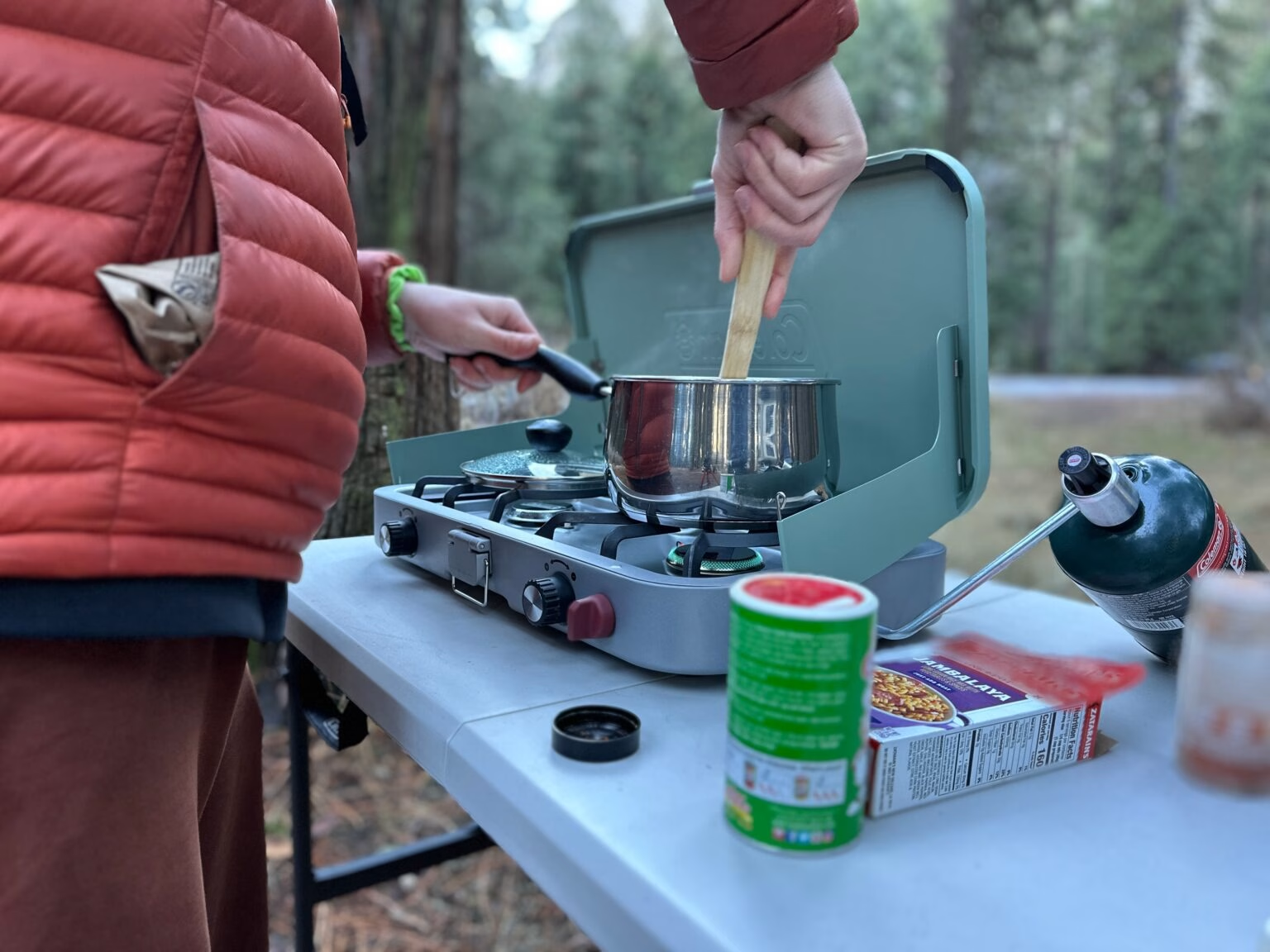
After extensive testing in various outdoor conditions, from scorching desert heat to freezing mountain air, we’ve narrowed down our top recommendations for portable camping stoves. Each of these models stands out for its performance, reliability, and features that cater to different camping needs. While we won’t be naming specific brands, we’ll highlight the characteristics that make these types of stoves exceptional, allowing you to identify similar models that fit your adventure style.
The All-Rounder: A Balanced Performer
This single-burner stove consistently impressed us with its remarkable balance of power, efficiency, and portability. It’s incredibly compact, often folding down to the size of a water bottle, making it a dream for those who prioritize packability. Despite its small footprint, it boasts a high BTU output, boiling water in just over five minutes – a true lifesaver when you’re craving that morning coffee. What truly sets it apart is its ability to transition seamlessly from a roaring boil to a gentle simmer, perfect for cooking delicate dishes like rice or evenly crisping bacon. Its auto-ignitor adds a touch of convenience, and it can accommodate pots up to 12 inches, offering surprising versatility for its size. The only minor drawback we found was its exclusive reliance on butane fuel, which can limit its performance in extremely cold or windy conditions. Setting it up initially can also be a bit less intuitive than some other models, but once you get the hang of it, it’s a breeze. For general camping, light backpacking, or even quick roadside meals, this stove is an absolute winner.
Best for Versatility: The Dual-Fuel Workhorse
This stove truly shines in its adaptability, offering the flexibility to run on both butane and propane. This dual-fuel capability is a huge advantage, especially when you’re unsure about fuel availability or anticipate varying temperatures, as butane struggles in colder weather. It’s lightweight and incredibly intuitive to use, making it an excellent choice for both beginners and seasoned camp chefs. We were particularly impressed with its robust safety features and reliable auto-ignitor. While it lacks a built-in wind guard, its compact design contributes to its portability, a trade-off many will appreciate. As a single-burner unit, it’s perfect for one-pot meals, though preparing multi-course breakfasts might require some creative juggling. Its ability to transport easily in its own case is another major plus. This stove is a testament to how thoughtful design can enhance your camping experience, providing consistent performance across a wide range of conditions.
The Robust Multi-Tasker: For Family Feasts and Group Adventures
When it comes to feeding a crowd, this two-burner stove is a powerhouse. It offers impressive BTU output, ensuring rapid cooking for larger quantities of food. Its design incorporates effective wind guards, a crucial feature for maintaining consistent heat in breezy conditions – something I’ve learned to value immensely after countless battles with gusty campsites. The intuitive setup and integrated fuel attachment storage make it surprisingly easy to manage, despite its larger size. What truly elevates this stove is its versatility, often coming with attachments like griddles and grill tops. These cast-iron accessories transform the stove into a full-fledged outdoor kitchen, allowing you to grill burgers, fry pancakes, or sauté vegetables with ease. While the attachments add to the overall weight, they often come with a convenient carrying case, making transport manageable. This stove is an investment that pays off in delicious, shared meals and hassle-free cooking for larger groups.
The Compact Powerhouse: Ideal for Quick Meals and Solo Trips
This single-burner butane stove is a fantastic option for those seeking a lightweight, budget-friendly solution for quick meals on the go. Its compact size and ease of transport make it a favorite for solo campers, day trips, or as a reliable backup. It features a wind baffle, which helps to protect the flame and improve efficiency, even in light breezes. The auto-ignitor is a welcome convenience, ensuring quick startups. While its BTU output might be lower than some larger models, it’s perfectly adequate for boiling water and cooking simple dishes. The main consideration is its butane-only fuel type, which, like other butane stoves, can be less effective in harsh, cold weather. However, for fair-weather camping and those who prioritize minimal bulk and ease of use, this stove delivers reliable performance without breaking the bank.
The Stand-Alone Beast: For Serious Camp Cooking and Large Gatherings
This two-burner outdoor cooking system is designed for serious camp chefs and large gatherings. It’s a robust, stand-alone unit with removable legs and a powerful flame, providing a wide cooking surface for large pots and pans. The removable windshield is a thoughtful addition, offering excellent protection against the elements. While it’s certainly heavier and bulkier than other options, its stability and cooking capacity are unmatched. It’s the kind of stove you bring when you’re planning elaborate meals for a big group, or even for tailgating events. The main consideration is its reliance on propane tanks, which adds to the overall weight and requires more space. However, for those who need maximum cooking power and surface area, and have the means to transport it, this stove is an absolute workhorse that can handle anything you throw at it.
The Griddle Master: Perfect for Breakfasts and Beyond
For those who dream of campsite breakfasts filled with pancakes, bacon, and eggs, this tabletop griddle with a hood is a game-changer. It offers a generous cooking surface, an auto-ignitor, and excellent temperature regulation, allowing for even cooking across the entire griddle. The effective hood helps to trap heat and cook food more thoroughly, while the grease trap makes for easy clean-up. The H-style burner ensures consistent heat distribution, preventing hot spots. While it’s not the most versatile for boiling water and can be quite heavy, its specialized function makes it indispensable for certain types of camp cooking. It’s perfect for family camping trips where hearty, cooked-to-perfection meals are a priority, transforming your campsite into a true outdoor diner.
The Eco-Friendly Fire Pit: A Wood-Burning Alternative
This unique wood-burning stove offers a sustainable and lightweight alternative to gas-powered options. Its design maximizes airflow, creating a brilliant, efficient flame from twigs and small pieces of wood found around your campsite. It’s incredibly versatile and requires no external fuel, making it an excellent choice for minimalist campers or those who prefer to rely on natural resources. The built-in wind guards help to maintain the flame, and its lightweight design makes it easy to pack. However, it does require constant attention to feed the fire, and it can be a bit messy with ash and smoke. Starting it can also be a bit challenging, especially in damp conditions. Despite these minor inconveniences, the satisfaction of cooking over a self-sustained wood fire is a unique and rewarding experience, connecting you more deeply with the wilderness. It’s a great option for those who enjoy the process of fire management and appreciate an eco-conscious approach to camp cooking.
Portable Camping Stove Maintenance Tips: Keeping Your Gear Ready
Just like any essential piece of outdoor gear, your portable camping stove needs a little love and care to ensure it performs reliably trip after trip. Proper maintenance not only extends the life of your stove but also guarantees safety and efficiency. Here are some tips I’ve picked up over the years that have kept my stoves running smoothly:
First and foremost, always clean your stove after each use. Food spills, grease, and carbon buildup can clog burners and affect performance. A simple wipe-down with a damp cloth is usually sufficient for the exterior. For burners and grates, a brush can help remove stubborn residue. For griddle-top stoves, especially cast iron ones, proper seasoning and cleaning are crucial to prevent rust and maintain their non-stick properties. I learned this the hard way with a rusty griddle after forgetting to clean it properly on one particularly rushed packing day – never again!
Check for fuel leaks regularly. Before and after each trip, inspect fuel lines, connections, and canisters for any signs of wear, cracks, or leaks. A small leak can quickly become a dangerous situation. If you smell gas, immediately turn off the stove and ventilate the area. This simple check takes only a moment but can prevent serious accidents.
Store your stove properly. When not in use, store your portable camping stove in a dry, clean place, ideally in its original carrying case or a protective bag. This prevents dust and debris from accumulating in the moving parts and protects it from physical damage. If your stove uses fuel canisters, disconnect them before storage. For liquid fuel stoves, it’s often recommended to empty the fuel tank if storing for an extended period, as old fuel can gum up the system.
Perform periodic deep cleaning and inspection. Depending on how frequently you use your stove, a more thorough cleaning and inspection might be necessary once or twice a year. This could involve disassembling certain parts (following the manufacturer’s instructions, of course!) to clean out any internal blockages or inspect O-rings and seals for wear. Replacing worn-out parts proactively can save you from a frustrating breakdown in the middle of nowhere. I make it a point to do a full check-up on all my gear before the start of camping season, and my stove is always at the top of that list.
By following these simple maintenance steps, your portable camping stove will be a reliable companion for countless outdoor culinary adventures, ready to fire up whenever hunger strikes in the wilderness.
Ready for Your Next Adventure? Don’t Forget Your Camping Checklist for First Timers
Frequently Asked Questions About Portable Camping Stoves
What is the best fuel type for a portable camping stove?
The “best” fuel type largely depends on your specific needs and camping style. Canister stoves (using propane/isobutane blends) are excellent for their convenience, quick setup, and clean burn, making them ideal for backpacking and general camping in moderate temperatures. Liquid fuel stoves (white gas, kerosene, unleaded gasoline) excel in cold weather and at high altitudes, offering robust performance and refillable fuel bottles for extended trips. Wood-burning stoves are eco-friendly and eliminate the need to carry fuel, but require more effort in fuel collection and fire management. Dual-fuel stoves offer the most versatility, allowing you to switch between canister and liquid fuels. Consider your typical camping environment, trip duration, and desired convenience when making your choice.
How do I clean and maintain my camping stove?
Regular cleaning and maintenance are crucial for the longevity and safe operation of your camping stove. After each use, allow the stove to cool completely, then wipe down the exterior to remove any food spills or grease. For burners and grates, use a brush to remove carbon buildup. Periodically, perform a deeper clean, which might involve disassembling parts (following manufacturer instructions) to clear any internal blockages or inspect seals. Always check for fuel leaks before and after each trip, and store your stove in a dry, clean place, ideally in its carrying case, with fuel canisters disconnected or liquid fuel tanks emptied for long-term storage.
Can I use a portable camping stove indoors?
No, portable camping stoves are designed for outdoor use only. Using them indoors, in tents, or in enclosed spaces can be extremely dangerous due to the risk of carbon monoxide poisoning. Carbon monoxide is an odorless, colorless gas that can be fatal. Always ensure adequate ventilation when operating a camping stove, and never use it inside your tent or any unventilated area, even if it’s raining. Safety should always be your top priority when using any fuel-burning appliance.
What are the safety precautions for using a camping stove?
Safety is paramount when operating a portable camping stove. Always use your stove on a stable, level surface, away from flammable materials like tents, dry grass, or overhanging branches. Ensure good ventilation and never use it inside a tent or enclosed space to avoid carbon monoxide buildup. Keep children and pets away from the hot stove. Always have a fire extinguisher or a bucket of water/sand nearby. Familiarize yourself with your stove’s specific operating instructions and safety features. When changing fuel canisters or refilling liquid fuel tanks, do so in a well-ventilated area, away from any ignition sources. After cooking, allow the stove to cool completely before packing it away. By following these precautions, you can enjoy safe and delicious meals in the great outdoors.
Conclusion: Your Perfect Portable Camping Stove Awaits
Choosing the right portable camping stove is a crucial step in elevating your outdoor cooking experience. It’s more than just a tool; it’s a companion that ensures hot meals, warm drinks, and the comfort of home, no matter how far off the beaten path you venture. From the lightweight efficiency of canister stoves to the robust reliability of liquid fuel models, and the eco-friendly charm of wood-burning options, there’s a perfect stove out there for every adventurer. By considering factors like weight, fuel efficiency, burner configuration, and essential conveniences like wind guards and auto-ignitors, you can make an informed decision that aligns with your unique camping style and culinary aspirations. Remember, proper maintenance and adherence to safety precautions are key to ensuring your stove remains a reliable part of your gear for years to come. So, whether you’re a seasoned backcountry chef or a first-time camper, take the time to explore the options, find your ideal portable camping stove, and get ready to savor the flavors of the great outdoors. Happy cooking, and even happier camping!