

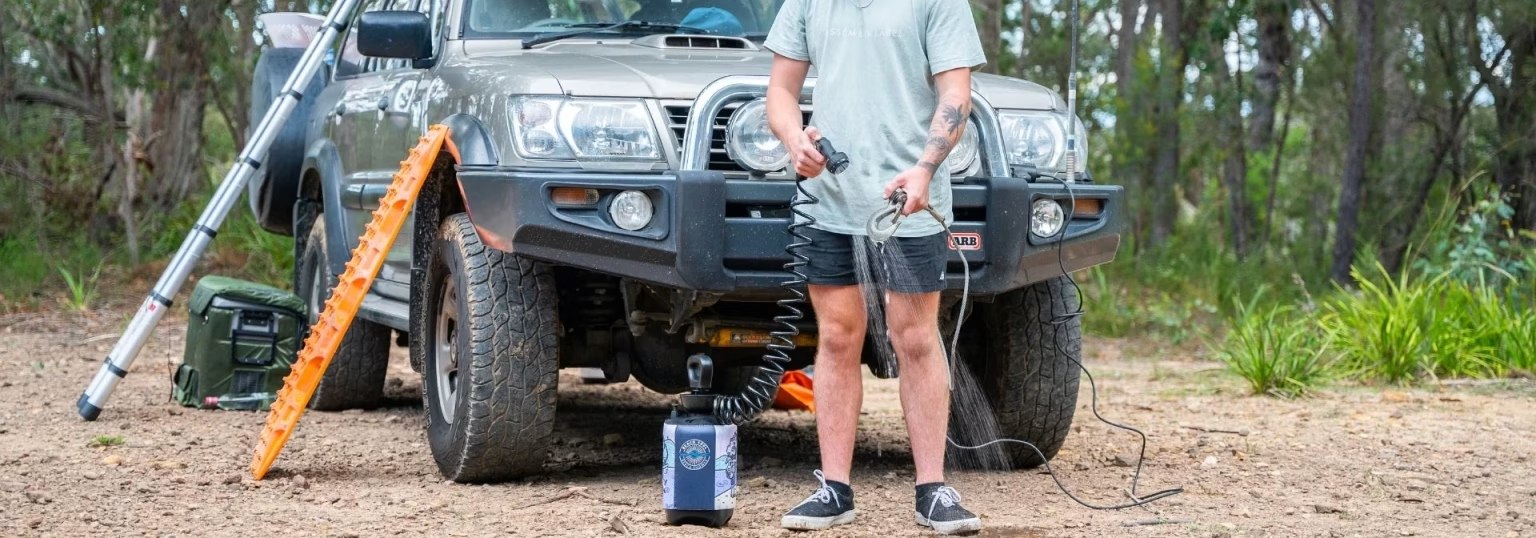
How to Choose the Best Portable Camping Shower
A refreshing shower can be a game-changer on any camping trip, transforming your experience from simply enduring the great outdoors to truly enjoying it. With the right portable camping shower, you can wash away the day’s grime, soothe sore muscles, and even keep your camping companions happy. This guide will walk you through everything you need to know about choosing and using a portable camping shower to elevate your next outdoor adventure.
Is a Portable Camping Shower a Smart Investment for Your Trips?
While not always considered an essential piece of gear, a portable camping shower can be incredibly valuable in many situations. If you’re camping at a site with well-maintained shower facilities or don’t mind a more rustic experience, you might be fine without one. However, for many campers, the benefits of having a personal shower are undeniable.
When a Portable Camping Shower Becomes a Necessity
- Backcountry Camping and Overlanding: When you’re far from developed campgrounds, a portable camping shower is often the only way to get clean.
- Camping with Your Furry Friend: Since dogs are typically not allowed in campground showers, a portable outdoor shower is perfect for washing your four-legged companion, especially if they share your tent.
- Avoiding Icky Campground Showers: Let’s be honest, not all campground facilities are sparkling clean. A portable camping shower gives you a private, clean alternative.
- Adventures with Little Ones: Kids have a knack for getting dirty. With a portable shower, you can easily rinse them off as needed without multiple trips to the campground facilities.
- Post-Activity Cleanup: After a muddy hike, a sweaty bike ride, or any other strenuous outdoor activity, a portable camping shower lets you clean up before climbing into your tent or vehicle.
Do I Really Need a Shower Tent for My Portable Camping Shower?
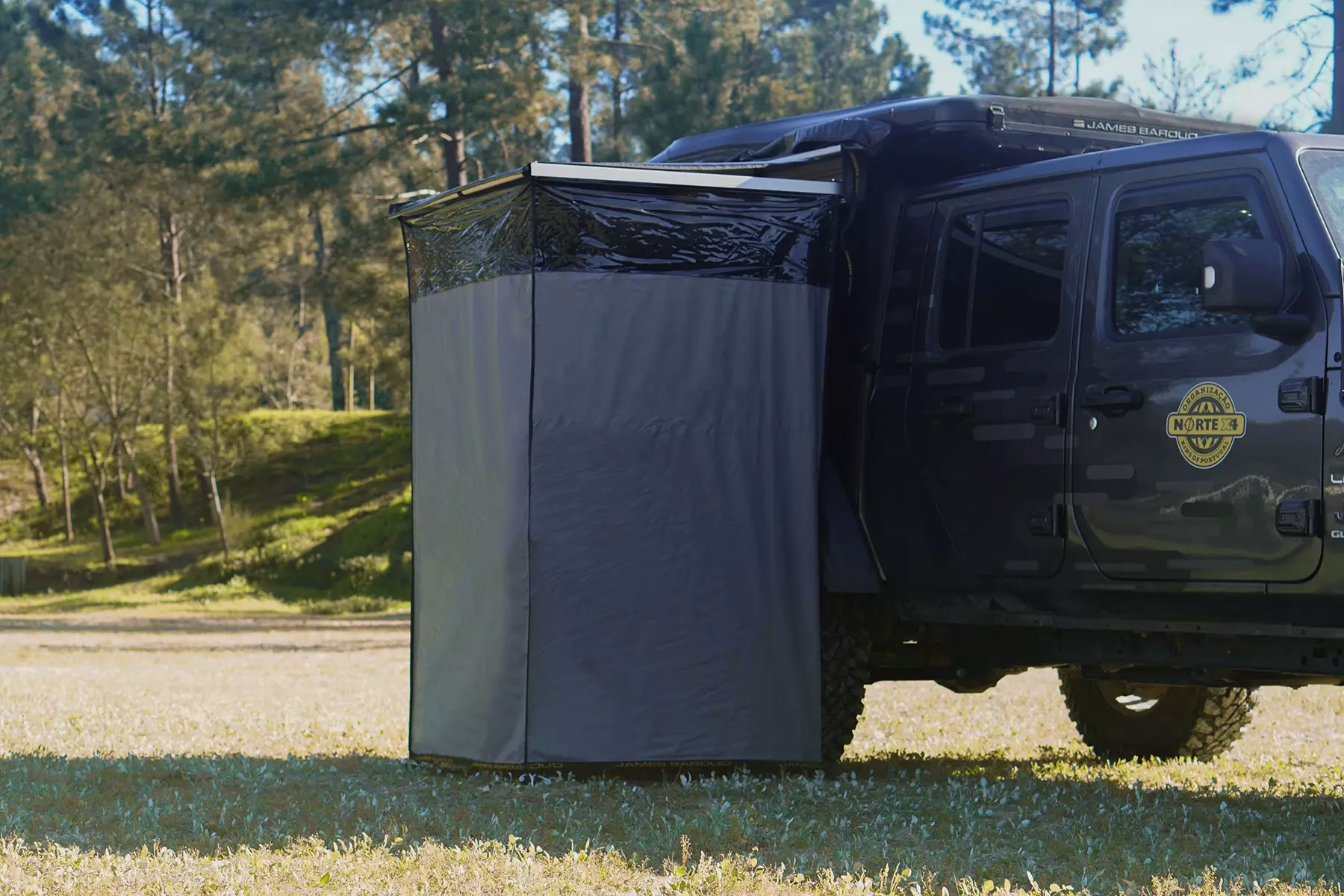
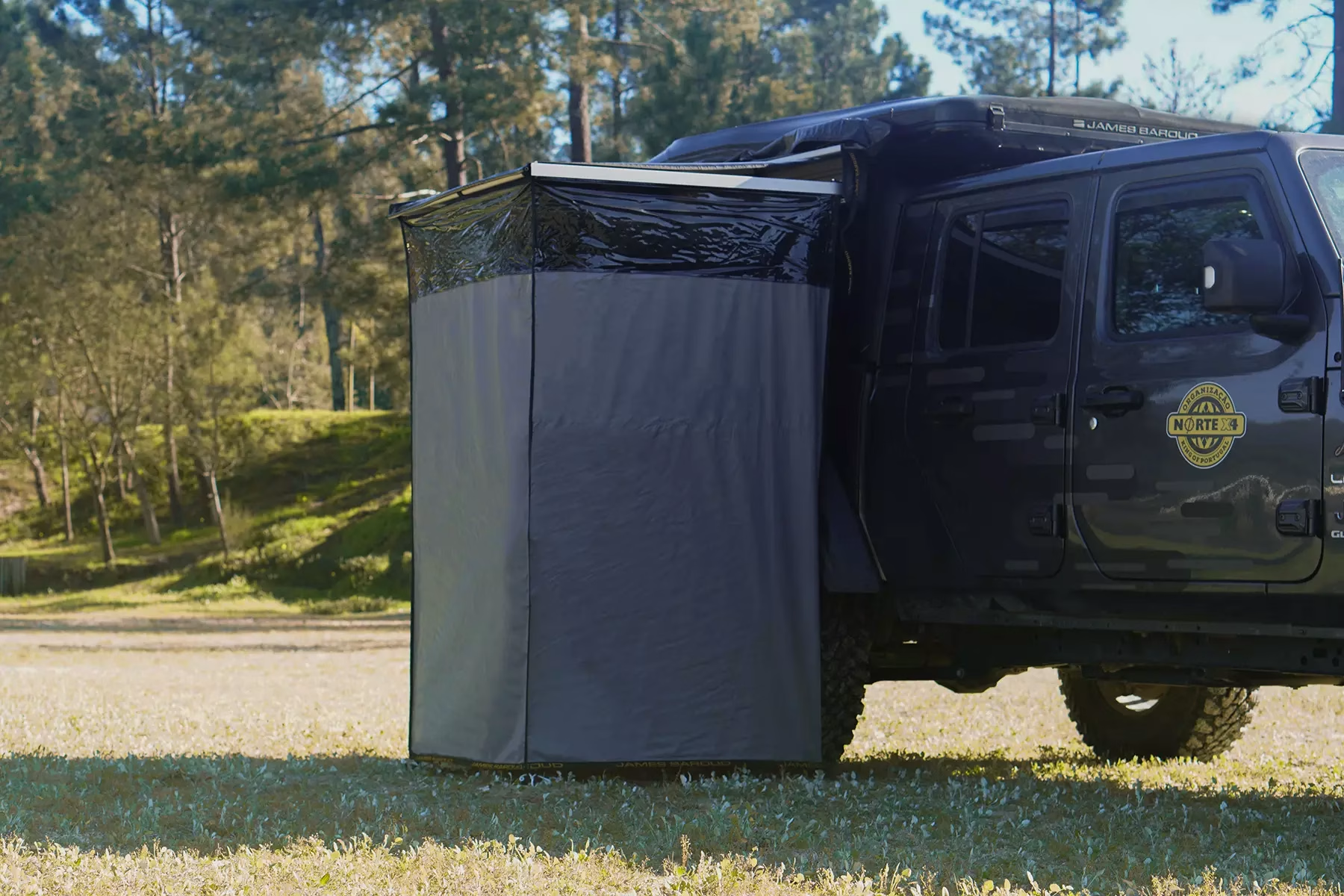 An outdoor shower is a fantastic addition to your camping setup, but its practicality often hinges on having a privacy tent. Privacy is a major consideration, especially in crowded campgrounds. Even if you’re comfortable with an open-air rinse, your neighbors might not appreciate the impromptu show. In more remote locations, showering in the open can feel a bit exposed and vulnerable.
A shower tent provides a simple solution, offering a private space to shower comfortably. It also shields you from the wind and provides a convenient place to hang your showerhead.
Tips for the Perfect Shower Tent Setup
- Plan Your Post-Shower Routine: In smaller shower tents, it can be tricky to get dressed without getting your clean clothes wet. Think about your strategy beforehand to maintain your privacy.
- Choose a Spot with Good Drainage: Set up your shower tent in an area where water can drain away easily to avoid creating a muddy mess.
- Use a Slatted Mat: A teak or other slotted mat on the floor of your shower tent will keep your feet clean and off the muddy or sandy ground.
What Are the Different Types of Portable Camping Showers?
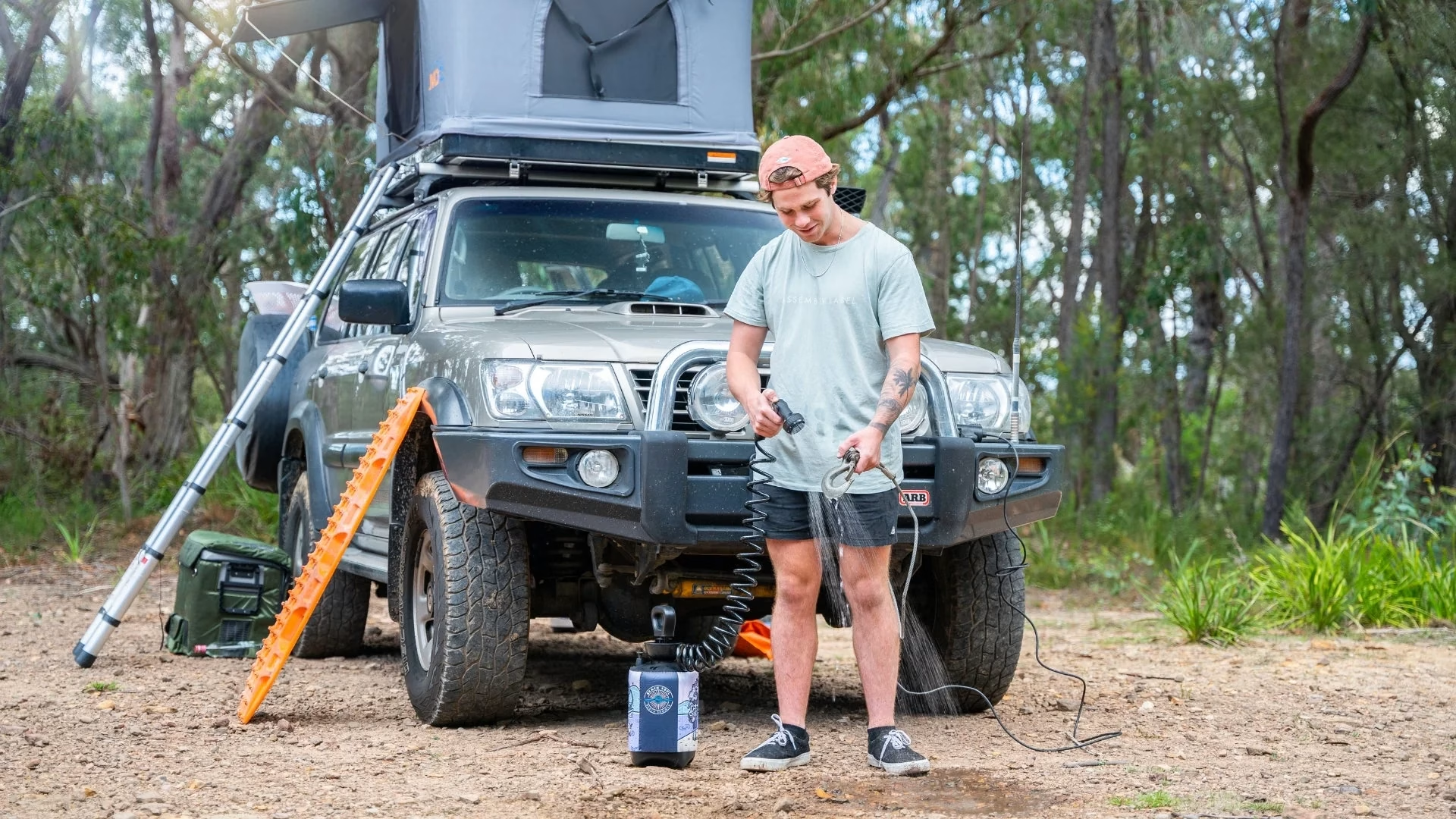
There are countless portable camping shower models on the market, but they all fall into three main categories based on how they deliver water.
- Gravity-Fed Showers
These are the most basic and straightforward portable camping showers. You simply fill a bag with water, hang it from a tree branch or other high point, and let gravity do the work.
- Pros: Inexpensive, compact, and easy to use.
- Cons: Limited water capacity, water pressure diminishes as the bag empties, and they can be heavy to lift when full. Heating the water isn’t always practical.
- Manual Pump Showers
Manual pump showers come with a water container and a hand or foot pump to create pressure for a stronger water flow. This design is perfect for off-grid camping since it doesn’t require any electricity.
- Pros: No electricity needed, better water pressure than gravity showers, and still relatively affordable.
- Cons: Requires some manual effort to pressurize and can be a bit bulky.
- Electric and Battery-Powered Showers
These showers use a submersible pump powered by a 12V outlet (like the one in your car) or a rechargeable battery. You place the pump in your water source, and it delivers pressurized water to the showerhead. They are incredibly easy to use and provide a consistent stream of water. You’ll need to bring your own water container, which gives you the flexibility to choose the water capacity that best suits your needs.
- Pros: Consistent water pressure and adjustable capacity.
- Cons: Requires a power source or a way to recharge the battery.
How Can I Get a Hot Shower While Camping?
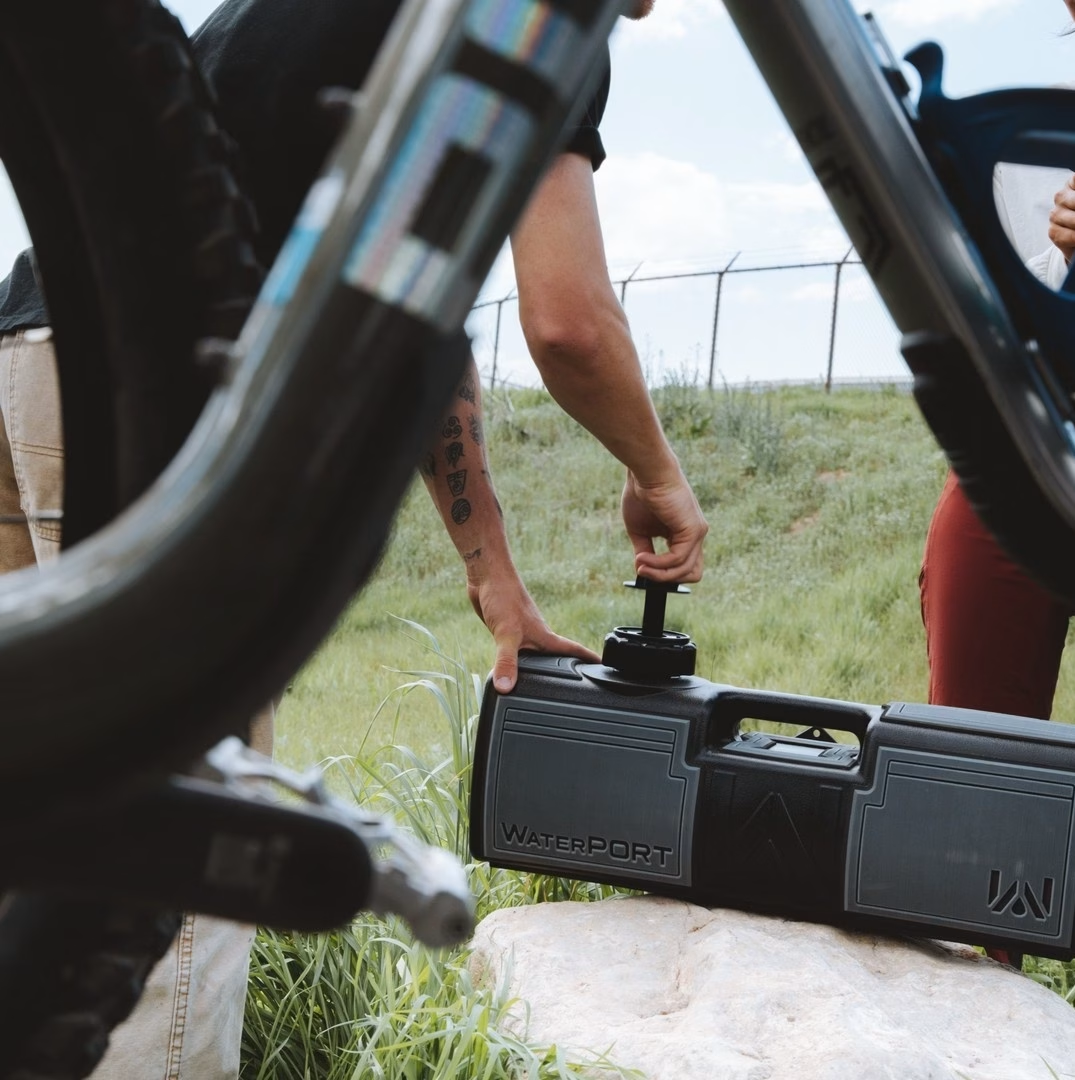
There are a few ways to enjoy a warm shower in the great outdoors. While a truly hot shower is possible, it often requires some extra effort or a more significant investment. For the most part, you can expect a lukewarm shower, which is still a welcome luxury.
Heating Water Externally
You can always heat water separately over a campfire or on a camp stove and then add it to your shower’s reservoir. However, this can be a bit of a hassle and potentially dangerous, as you’ll be handling hot water. Be sure to check your shower’s temperature limits, as many models can be damaged by boiling water.
Solar Showers
Solar showers have a specially designed reservoir that absorbs heat from the sun. While they are an eco-friendly option, they can take a long time to heat up and may not get very hot, especially on cloudy days. Still, they are a popular and affordable choice for summer camping.
12V Heated Showers
These showers plug into your vehicle’s 12V outlet to power the pump and, in some cases, heat the water. They can heat water relatively quickly, but they draw a lot of power, so you may be limited to heating small amounts of water at a time to avoid draining your car battery.
Propane-Heated Showers
For the most reliable hot water, a propane-heated portable camping shower is your best bet. These units connect to a propane tank to provide hot water on demand, regardless of the weather. However, they are typically larger and bulkier, so they may not be the most portable option.
How Long Can I Shower with a Portable Camp Shower?
The duration of your shower will depend on the size of the reservoir and the flow rate of the showerhead. Most gravity-fed and manual-pump showers will give you a shower lasting from 4 to 12 minutes.
Here’s a general idea of how long you can expect to shower based on reservoir size and flow rate:
| Reservoir Size | 1.5 L/M | 3 L/M | 6 L/M |
| 5 Liters | 3.3 minutes | 1.6 minutes | 0.8 minutes |
| 10 Liters | 6.6 minutes | 3.3 minutes | 1.6 minutes |
| 20 Liters | 13.3 minutes | 6.6 minutes | 3.3 minutes |
It’s worth noting that the average American shower lasts about 8 minutes and uses around 64 liters of water. It’s unlikely you’ll be able to replicate that experience with a portable camping shower, but a quick, refreshing rinse is still a huge step up from no shower at all.
Can I Use a Lake or Stream as a Water Source?
With a submersible pump shower, you have the option of using a natural water source like a lake or stream. While this provides an unlimited supply of water, there are some important considerations to keep in mind:
- Environmental Impact: The pump can be harmful to small aquatic life.
- Clogging the Pump: Murky water can clog and damage the pump.
- Water Quality: You might end up feeling dirtier than before if the water is full of algae or debris.
- Water Pollution: Any soap or shampoo you use will contaminate the water source.
- Losing Your Shower: A strong current could potentially pull your shower away.
For these reasons, it’s generally better to use a bucket of water as your reservoir. You can still use water from a natural source, but be sure to filter it through a cloth first to remove any debris.
How to Keep Your Portable Camping Shower Clean
To prevent mold and mildew from growing inside your portable camping shower, make sure to let it dry completely after each use. If it does start to develop an odor, you can clean it by running a diluted bleach solution through it. The CDC recommends a solution of 5 tablespoons of bleach per gallon of water. Let the solution sit for at least a minute before letting the shower air dry.
Responsible Showering in the Great Outdoors
As campers, it’s our responsibility to minimize our impact on the environment. When it comes to showering, the most important rule is to never let soap or shampoo enter natural water sources. Even biodegradable soaps can harm aquatic ecosystems. According to the Leave No Trace principles, you should always shower at least 200 feet away from any water source. This allows the soil to filter the soap and prevent it from polluting the water.
For more tips on what to bring on your next trip, check out our camping gear list for beginners.