

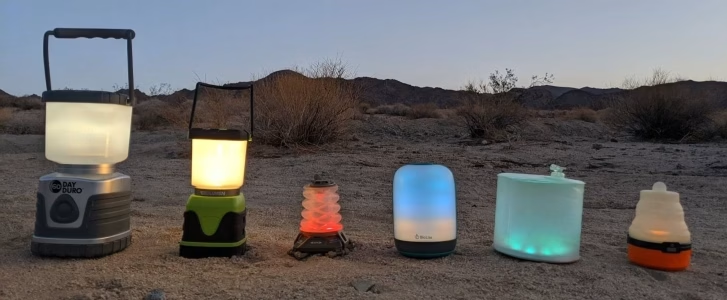
A Guide to Camping Lantern Brightness: Illuminating Your Adventures
There’s an undeniable magic to spending a night under the stars, surrounded by the quiet hum of nature. Yet, as dusk settles and shadows lengthen, navigating your campsite can quickly turn into a clumsy affair. This is where a reliable camping lantern becomes your best friend, transforming potential stumbles into serene, well-lit moments. But with so many options available, how do you choose the right one? The key often lies in understanding camping lantern brightness.
Why Does Camping Lantern Brightness Matter?
While flashlights and headlamps offer focused beams for specific tasks, a camping lantern provides a broad, ambient glow, illuminating your entire space. This 360-degree flood lighting is invaluable for setting up camp, cooking, playing cards, or simply relaxing with friends. The right level of brightness ensures comfort and safety, preventing trips and making it easy to find what you need. Too dim, and you’ll still be fumbling; too bright, and you might disturb fellow campers or attract unwanted attention from insects. Understanding lumens, the unit of light output, is crucial for making an informed decision.don’t forget to look at our essential camping equipment
Lumens Explained: How Bright is Bright Enough?
Lumens are the standard measurement for the total amount of visible light emitted by a source. Simply put, the higher the lumen count, the brighter the light. However, it’s not just about the number; how that light is distributed and perceived can also vary based on the lantern’s design and optics. Some lanterns might concentrate light directly below them, perfect for a tabletop, while others cast a wider, more diffused glow suitable for an entire campsite.
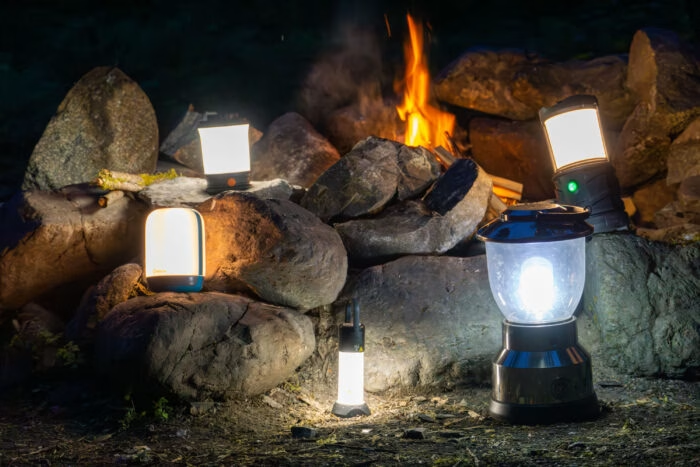
What are the ideal lumens for a camping lantern?
The ideal lumen range for your camping lantern depends heavily on its intended use. Here’s a general guideline to help you decide:
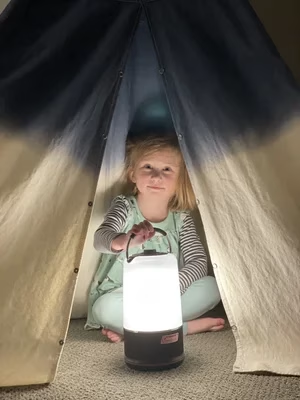
- Under 100 Lumens: Perfect for intimate settings like inside a tent, providing enough light for reading or organizing gear without being overpowering. This level of camping lantern brightness is also excellent for a soft, ambient glow around a small picnic table.
- 150-300 Lumens: This range is versatile and suitable for most general campsite activities. It provides ample light for cooking, navigating around your tent site, or enjoying a meal outdoors. Many popular camping lanterns fall within this range, offering a good balance of brightness and battery efficiency.
- 300+ Lumens: For larger campsites, group gatherings, or when you need to illuminate a wider area, lanterns with 300 lumens or more are ideal. These powerful lanterns can light up an entire common area, making them perfect for lively campsite soirees or when you need to see far into the surrounding darkness.
It’s worth noting that many modern lanterns offer multiple brightness modes, allowing you to adjust the output to suit your specific needs and conserve battery life. This flexibility is a significant advantage, as you can dial down the camping lantern brightness for a cozy evening or crank it up for a late-night task.
Types of Camping Lanterns: Powering Your Illumination
Camping lanterns primarily come in two main categories: gas-powered and electric. Each has its own set of advantages and considerations, particularly concerning brightness, weight, and convenience.
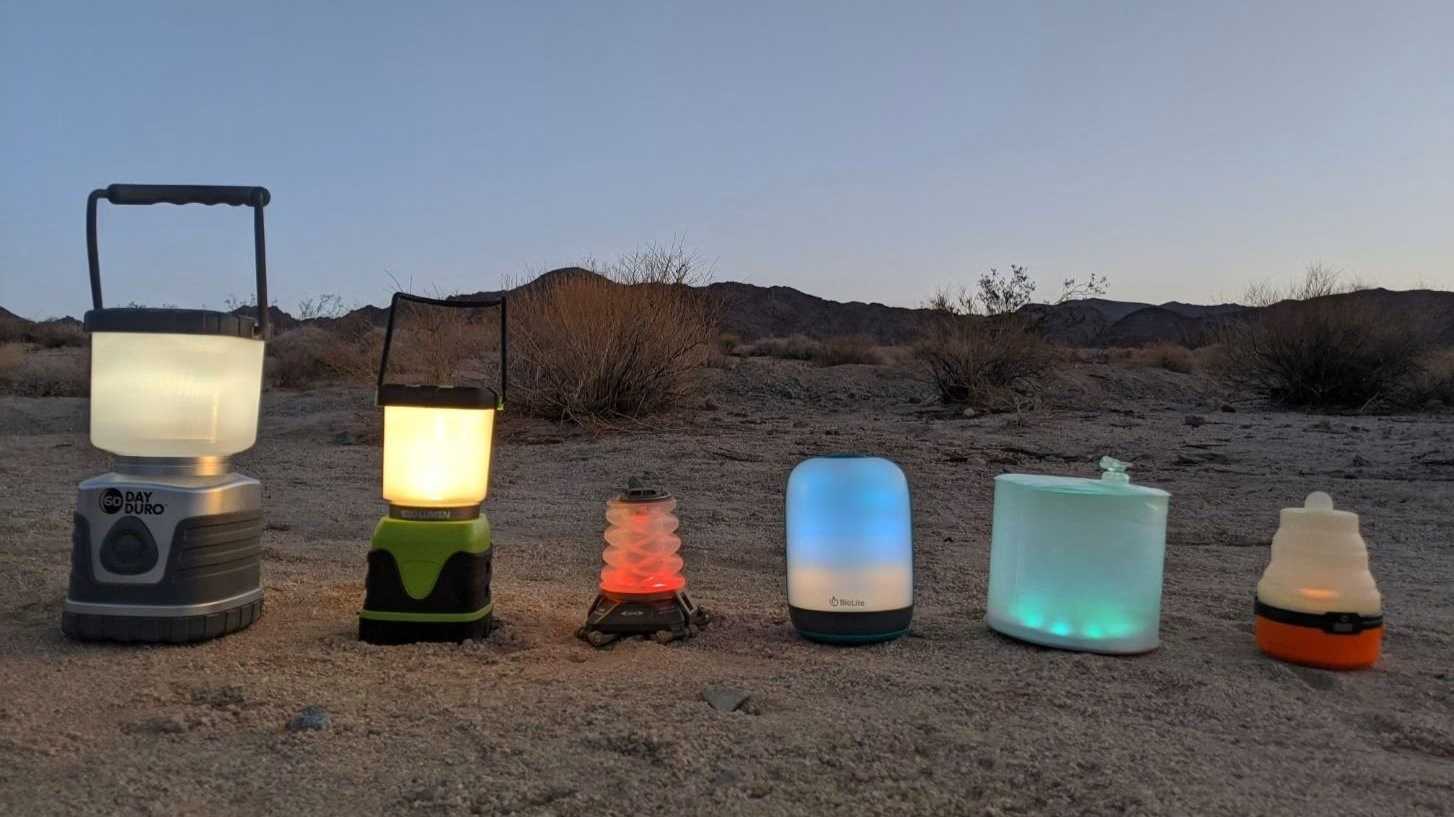
Gas-Powered Lanterns: Maximum Brightness for the Great Outdoors
Gas-powered lanterns are renowned for their exceptional brightness, often outshining their electric counterparts. They are the go-to choice when sheer light output is your top priority and weight isn’t a major concern. These lanterns typically come in two varieties:
- Liquid Fuel Lanterns: These are often the brightest lanterns available, capable of illuminating an entire campground. They use white gas, similar to many camping stoves. While incredibly bright and often adjustable, they tend to be heavier, more expensive, and require occasional pumping to maintain pressure. There’s also the potential for a slight mess when refueling.
- Propane Lanterns: A step down in brightness from liquid fuel, but still very powerful. Propane lanterns are incredibly easy to use – simply screw them onto a fuel canister and light them up. Both liquid fuel and propane lanterns utilize mantles, small fabric bags that glow brightly when heated. It’s always a good idea to carry spare mantles, as they can be fragile.
Important Safety Note: Gas-powered lanterns produce heat and emissions, so they should never be used in enclosed spaces like tents. Always ensure proper ventilation and keep them away from flammable materials, children, and pets.
Electric Lanterns: Convenience, Safety, and Versatility
Electric lanterns, powered by LED bulbs, offer a safer, more convenient, and often lighter alternative to gas models. They vary primarily in their power source and size:
- Alkaline Battery Powered: These are familiar, relatively inexpensive, and easy to replace. The main drawback is the ongoing cost of purchasing new batteries. Some models can be converted to use rechargeable battery packs.
- Rechargeable Battery Powered: Many modern electric lanterns feature integrated or replaceable rechargeable battery packs. Integrated units are sealed, while replaceable packs offer the advantage of swapping out a depleted battery for a fresh one, extending your light source’s life. Charging methods vary, from direct plug-ins to external chargers.
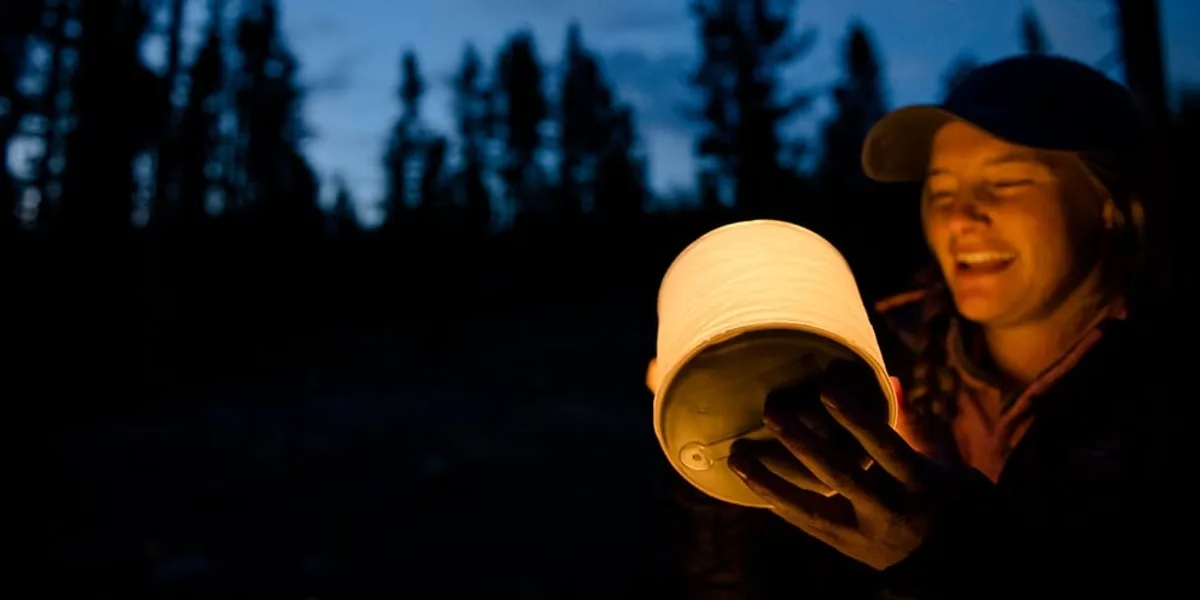
- Alternative Power Sources: Some innovative electric lanterns can be powered by USB power banks, solar panels, or even hand cranks, offering excellent flexibility and sustainability. For instance, certain inflatable solar lanterns provide significant camping lantern brightness while being incredibly lightweight and portable.
Electric lanterns are generally long-lasting, durable, and safe for indoor use (like inside a tent). While they may not reach the extreme brightness levels of some gas lanterns, their convenience and safety make them a popular choice. However, their performance can be affected by cold temperatures, as battery chemical reactions slow down in the cold.
Key Considerations Beyond Lumens
Beyond just camping lantern brightness, several other factors play a crucial role in choosing the perfect lantern for your adventures:
Size and Weight: Portability vs. Power
Generally, a lantern’s size and weight are proportional to its light output. Smaller, lighter lanterns are ideal for backpackers where every ounce counts, providing sufficient light for a trailside meal or tent use. Larger, heavier gas lanterns, on the other hand, are better suited for car camping where their superior brightness can illuminate an entire area. Remember to factor in the weight of extra batteries or fuel when assessing total weight.
Battery Type and Cold Weather Performance
Not all batteries are created equal, especially in cold conditions. Alkaline batteries lose about half their capacity when temperatures drop below freezing. Lithium batteries, however, perform much better in the cold. If you’re camping in chilly environments, consider lanterns that use lithium batteries or keep alkaline batteries warm in an inner pocket or sleeping bag to preserve their charge.
Water Resistance: Protecting Your Light Source
While few lanterns are fully submersible, many offer water and splash resistance, often indicated by an International Protection (IP) marking. This is crucial for outdoor gear, protecting your lantern from unexpected rain showers or accidental spills. Look for ratings like IPX4 (splash resistant) or higher for better protection.
Durability and Build Quality
Your camping lantern will likely face bumps, drops, and exposure to the elements. A robust build quality, often featuring durable plastics or metals, can significantly extend its lifespan. Consider features like rubberized bases for stability and impact resistance.
Additional Features: Enhancing Your Experience
Modern camping lanterns often come with a host of extra features that can enhance your camping experience:
- Dimmable Settings: As mentioned, multiple brightness modes are highly beneficial for versatility and battery conservation.
- Color Modes: Some lanterns offer different light colors, such as red light, which helps preserve night vision and is less attractive to insects.
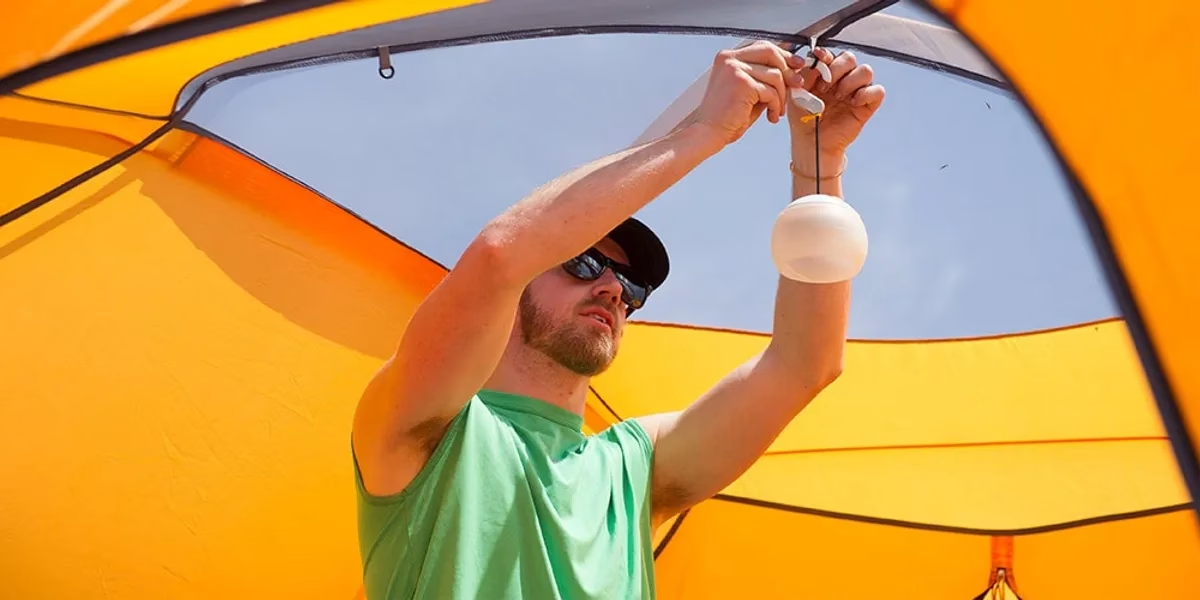
- Hanging Hooks/Carabiners: Essential for suspending the lantern in a tent or from a tree branch, providing overhead illumination.
- USB Charging Ports: Many electric lanterns double as power banks, allowing you to charge your phone or other small devices.
- Collapsible Design: Ideal for saving space in your pack, these lanterns can often be compressed when not in use.
Making the Right Choice for Your Next Adventure
Choosing the perfect camping lantern involves balancing camping lantern brightness with other practical considerations like power source, size, weight, and additional features. Think about your typical camping style: Are you a minimalist backpacker needing lightweight, efficient light for a tent? Or a car camper looking to illuminate a large group gathering?
By considering these factors, you can select a lantern that not only meets your illumination needs but also enhances your overall outdoor experience. Remember, the goal is to light up your adventures, not just your campsite.