

How to Choose a Sleeping Bag: Your way to a Perfect Night’s Sleep Outdoors
There’s nothing quite like the crisp night air, the scent of pine, and the gentle sounds of nature when you’re out camping. But a truly magical outdoor experience hinges on one crucial element: a good night’s sleep. And for that, your sleeping bag isn’t just a piece of gear; it’s your personal cocoon, your portable sanctuary against the elements. It’s the heart of your sleep system, working in harmony with your sleeping pad, liner, and even your pillow to ensure you wake up refreshed and ready for adventure. So, how do you choose a sleeping bag that’s just right for you? It’s about more than just picking a pretty color; it’s about understanding the nuances that will make or break your outdoor slumber. Let’s dive deep into the essential factors that will guide you to your perfect match.
Why Your Sleeping Bag is the Heart of Your Sleep System
Think of your outdoor sleep setup as a finely tuned orchestra, and your sleeping bag is the lead violinist. While your sleeping pad insulates you from the cold ground and your tent shields you from the elements, it’s the sleeping bag that truly cradles you in warmth and comfort. It’s designed to trap your body heat, creating a cozy microclimate that allows for restorative sleep, even when the temperatures drop. Without a well-chosen sleeping bag, even the most expensive tent or the most comfortable sleeping pad won’t guarantee a good night’s rest. It’s the cornerstone of your comfort, directly impacting your energy levels and overall enjoyment of your outdoor adventures. Choosing the right one means investing in countless nights of peaceful slumber under the stars.
Understanding Warmth: What Temperature Rating Do You Really Need?
The primary mission of any sleeping bag is to keep you warm. It’s a simple concept, but the science behind it, and how manufacturers communicate it, can be a bit more complex. Your sleeping bag’s warmth is primarily dictated by its temperature rating, a number that often causes confusion for first-time buyers. Let’s break down what these ratings mean and how to use them to your advantage.
Decoding ISO and EN Ratings: Comfort, Lower Limit, and Beyond
When you’re looking at sleeping bags, you’ll often see ratings like ISO 23537 or EN 13537. These aren’t just random numbers; they represent standardized tests designed to give you a reliable measure of a bag’s thermal performance. These tests use heated manikins in a controlled cold chamber to simulate a human body and measure heat loss. Most reputable sleeping bag manufacturers adhere to these standards, providing a consistent benchmark across different brands.
It’s crucial to understand that these ratings come with a few caveats. The manikins used in the tests are typically dressed in heavy thermal layers, including an insulating cap. If you don’t sleep similarly bundled up, you might find the bag feels colder than its stated rating. Furthermore, the test assumes you’re using a sleeping pad with a high R-value (around 5.38), which provides significant insulation from the ground. If your sleeping pad isn’t as insulating, you’ll likely feel colder, as a significant amount of heat can be lost to the ground. Always remember, the sleeping bag keeps you warm from the air, but your sleeping pad keeps you warm from the ground.
So, how do you interpret these ratings for your own needs? The ISO rating typically provides two key figures:
- Comfort Rating: This is the temperature at which an average woman can expect to sleep comfortably in a relaxed position.
- Lower Limit Rating: This is the lowest temperature at which an average man can expect to sleep for eight hours in a curled position without feeling excessively cold.
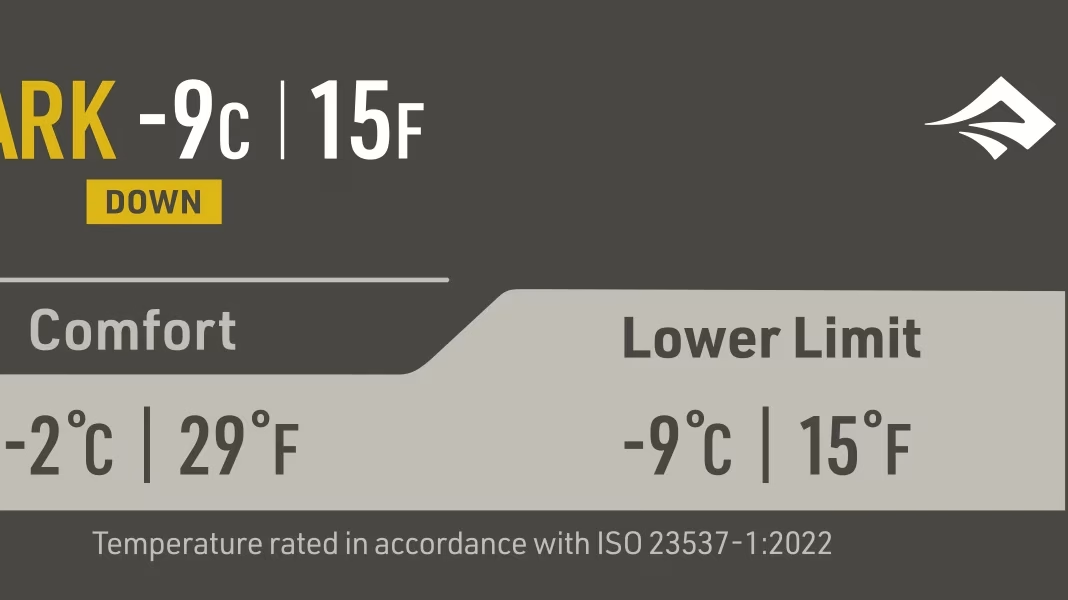
Generally, men should refer to the Lower Limit rating for their minimum comfortable temperature, while women, who often sleep a few degrees colder, should look at the Comfort rating. For example, a bag with a Comfort rating of 29°F (-2°C) and a Lower Limit of 15°F (-9°C) means an average woman would be comfortable down to 29°F, and an average man down to 15°F. If you tend to get cold easily, or if you’re planning a trip where temperatures might dip unexpectedly, it’s always a good idea to choose a bag with a rating a few degrees lower than the coldest temperature you anticipate.
The Crucial Role of Your Sleeping Pad in Staying Warm
We touched on this briefly, but it bears repeating: your sleeping pad is just as vital as your sleeping bag for warmth. While your sleeping bag insulates you from the air, your sleeping pad insulates you from the ground, which can wick away your body heat much faster than cold air. The R-value of a sleeping pad indicates its insulating power – the higher the R-value, the better the insulation. A high R-value pad is essential, especially in colder conditions, to prevent conductive heat loss. Don’t underestimate its importance; a top-notch sleeping bag paired with an inadequate pad can still lead to a chilly night.
Are You a Cold Sleeper? Tailoring Your Choice for Maximum Warmth
Some of us just run colder than others, and that’s perfectly normal. If you identify as a ‘cold sleeper,’ you’ll want to pay extra attention to your sleeping bag choice. One excellent option is a women’s specific sleeping bag. These bags often feature additional insulation in key areas, like the footbox and torso, where women tend to lose heat more quickly. They are also typically shaped to better fit a woman’s body, reducing dead air space that your body needs to warm up. While women’s specific bags are generally narrower in the shoulders and shorter, many brands offer unisex options in various sizes to accommodate taller individuals or those who prefer more room. Remember, a snug fit (without compressing the insulation) is key to warmth, as it minimizes the amount of air your body needs to heat.
Insulation Matters: Down vs. Synthetic and Why It Counts
The type of insulation inside your sleeping bag is a critical factor, influencing not only its warmth but also its weight, packed size, durability, and performance in various conditions. The two main contenders are down and synthetic, each with its own set of advantages and disadvantages.
The Lightweight Champion: When Down is Your Best Friend
Down insulation, typically made from goose or duck feathers, is renowned for its exceptional warmth-to-weight ratio and superior compressibility. This makes down sleeping bags the go-to choice for backpackers, thru-hikers, and anyone for whom every ounce and inch of packed space matters. A high-quality down bag can pack down to an incredibly small size, making it easy to fit into a crowded pack. The loft of down, its ability to trap air, is what provides its insulating power. The higher the ‘fill power’ (e.g., 650, 800, 900), the more loft a given weight of down provides, and thus, the warmer and lighter the bag will be.
However, down has a significant Achilles’ heel: moisture. When wet, down loses its loft and, consequently, its insulating properties. This is why many modern down bags feature hydrophobic (water-resistant) down treatments, which help the down resist moisture and dry faster. Despite these advancements, down bags still require careful handling in damp environments and are generally more expensive than their synthetic counterparts.
Synthetic Bags: Durability and Performance in Damp Conditions
Synthetic insulation, made from polyester fibers, offers a compelling alternative to down, especially for those who anticipate wet conditions or are on a tighter budget. The primary advantage of synthetic insulation is its ability to retain much of its insulating power even when wet. This makes synthetic bags a safer bet for paddling trips, humid climates, or situations where you might encounter unexpected rain or condensation. They also tend to dry much faster than down.
On the flip side, synthetic insulation is generally heavier and bulkier than down for the same level of warmth. While advancements in synthetic technology, such as branded insulations like THERMOLITE®, have improved their packability and durability, they still don’t quite match the warmth-to-weight ratio of high-quality down. Synthetic bags also tend to have a shorter lifespan, as the fibers can break down and lose loft over time with repeated compression and use.
Beyond Insulation: The Impact of Packability on Your Adventure
Beyond the insulation type, the overall packability of your sleeping bag is a crucial consideration, especially for activities where space and weight are at a premium. For bikepacking, motorcycle touring, or any adventure where you’re carrying your gear on your back or bike, a sleeping bag that compresses well can make a world of difference. A down sleeping bag, particularly one with a high fill power, will generally be your most compact companion. Many bags come with a compression sack, which can further reduce the packed size by 30-40%, turning a seemingly bulky item into a surprisingly small package. Even if a compression sack isn’t included, they are readily available for purchase and are a worthwhile investment for any space-conscious adventurer.
Finding Your Perfect Fit: Comfort and Efficiency in Every Stitch
Just like a well-tailored suit, a sleeping bag that fits you properly isn’t just about comfort; it’s about efficiency. A bag that’s too large means your body has to work harder to heat up an excessive amount of internal air, leading to a colder night. Conversely, a bag that’s too tight can compress the insulation, creating cold spots where your body touches the bag. Finding that sweet spot is key to maximizing your warmth and ensuring a truly restful sleep.
Mummy, Rectangular, or Tapered: Which Shape Suits Your Sleep Style?
Sleeping bags come in a variety of shapes, each designed with different priorities in mind:
- Mummy Bags: These are the most thermally efficient, closely conforming to your body shape to minimize dead air space. They are wider at the shoulders and taper down towards the feet. While excellent for warmth and packability, some find them restrictive, especially if you tend to toss and turn.
- Rectangular Bags: Offering the most room, rectangular bags allow for plenty of movement and can even be unzipped to form a blanket. They are generally less thermally efficient and bulkier than mummy bags, making them more suitable for car camping or warmer conditions where space and weight aren’t critical.
- Tapered-Rectangular Bags: A hybrid design, these bags offer a good balance between warmth and roominess. They are more efficient than rectangular bags but less restrictive than traditional mummies, providing a comfortable middle ground for many campers.
When choosing, consider your natural sleeping position. If you’re a side sleeper, for instance, a conventional mummy bag might feel too constricting, leading to compressed insulation at your hips and shoulders – prime spots for cold. Testing a bag by lying in it in your typical sleep position before purchase is highly recommended.
Unisex vs. Women’s Specific Bags: Designed for Your Comfort
While many sleeping bags are designed as unisex, women’s specific bags are becoming increasingly popular, and for good reason. These bags are tailored to the physiological differences in how women sleep. They are typically:
- Narrower in the shoulders: To reduce excess air space.
- Wider from the hip to the knee: Accommodating the natural curves of a woman’s body and allowing for more comfortable movement, especially for those who sleep in the common ‘figure four’ position.
- Equipped with extra insulation: Often concentrated in the footbox and torso, areas where women tend to lose heat more rapidly.
If you’re a woman, exploring a women’s specific bag can significantly enhance your comfort and warmth. However, if you’re taller or prefer more room, many unisex bags come in various sizes and shapes, including relaxed mummy or tapered-rectangular designs, that might suit your needs better.
The Side Sleeper’s Dilemma: Ensuring Unrestricted Movement
For side sleepers, the fit of a sleeping bag is paramount. A bag that’s too snug can lead to uncomfortable pressure points and, more importantly, compress the insulation at your hips, knees, and shoulders. This compression creates ‘cold spots’ where the insulation can’t effectively trap warm air. If you find traditional mummy bags too restrictive, consider a tapered-rectangular shape or even a sleeping quilt. Quilts offer maximum freedom of movement, as they don’t fully enclose you on the bottom, relying instead on your sleeping pad for insulation. While they require a slightly different approach to staying warm, many side sleepers find them to be a game-changer for comfort.
Smart Features for Enhanced Comfort and Convenience
Once you’ve got the core elements down – warmth, insulation type, packability, and fit – it’s time to consider the additional features that can elevate your sleeping bag from merely functional to truly exceptional. These thoughtful additions can make a significant difference in your overall comfort and convenience on the trail.
Ventilation: Staying Cool When the Temperature Rises
While the primary goal of a sleeping bag is warmth, versatility is key, especially if you’re camping in conditions with fluctuating temperatures or high humidity. Bags with good ventilation options allow you to regulate your temperature effectively, preventing you from overheating on warmer nights. This can include:
- Full-length zippers: Allowing you to open the bag completely for maximum airflow.
- Secondary zippers: Often found along the sides or at the footbox, these allow for targeted ventilation without fully opening the bag.
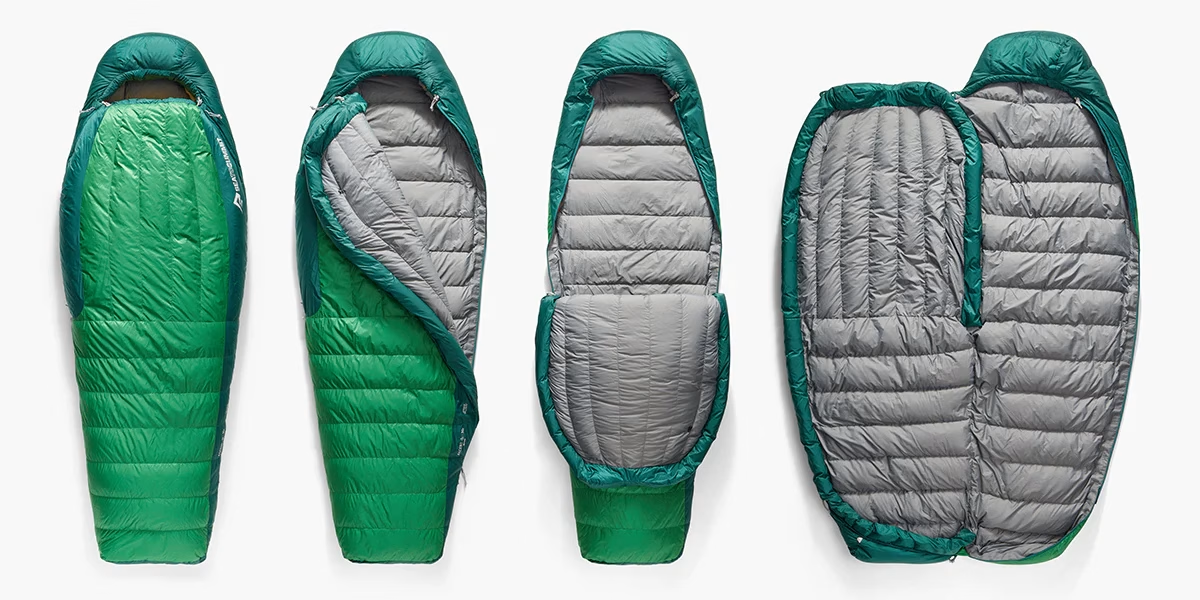
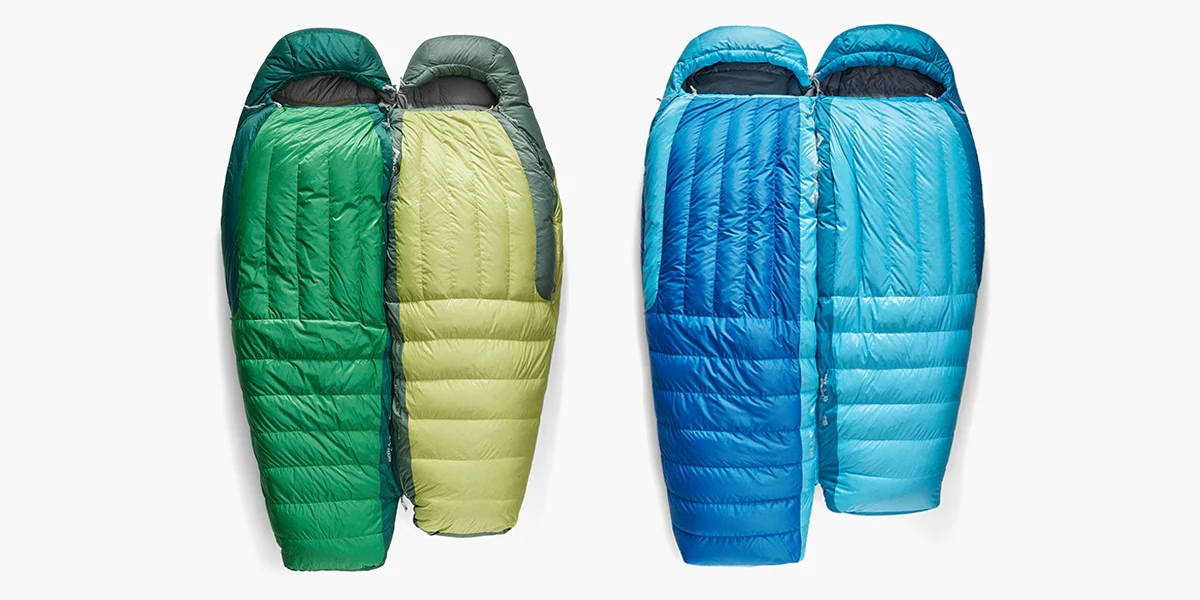
- Zip coupling: Some innovative designs allow you to open the bag completely flat, transforming it into a quilt for ultimate three-season flexibility. This is particularly useful for couples who want to zip two bags together, creating a larger, more comfortable sleep space.
These features ensure that your sleeping bag remains comfortable across a wider range of conditions, extending its usability and value.
Pockets and Zippers: Small Details, Big Impact
It might seem like a minor detail, but internal pockets can be incredibly handy. They provide a secure place to stash essentials like your phone, headlamp, or even a small power bank, keeping them warm and easily accessible throughout the night. This is especially useful in freezing temperatures, as it helps preserve battery life. Similarly, well-designed zippers are crucial. Look for bags with anti-snag zippers that operate smoothly, preventing frustrating jams in the middle of the night. Draft tubes along the zippers are also essential for colder conditions, preventing heat from escaping through the zipper teeth.
Considering the Extras: Liners, Pillows, and More
While not strictly part of the sleeping bag itself, accessories like sleeping bag liners and inflatable pillows can significantly enhance your comfort and extend the life of your bag. A liner adds an extra layer of warmth and keeps the inside of your bag cleaner, reducing the need for frequent washing. Pillows, while seemingly a luxury, can make a world of difference in getting a truly restful night’s sleep, preventing neck stiffness and discomfort.
My Personal Journey to Finding the Right Sleeping Bag
I remember my first backpacking trip vividly. I was so focused on getting the lightest tent and the coolest new stove that I barely gave a second thought to my sleeping bag. I grabbed a cheap, bulky synthetic bag, thinking, “It’ll be fine.” Boy, was I wrong. That first night, tucked away in the mountains, the temperature dropped far more than I anticipated. I shivered through the night, constantly adjusting, pulling my knees to my chest, and dreaming of a warm bed. It was a miserable experience that taught me a valuable lesson: never underestimate the power of a good sleeping bag. After that trip, I dove deep into research, learning about temperature ratings, down fill power, and the importance of a proper fit. My next sleeping bag was a lightweight down mummy bag, perfectly rated for the conditions I expected. The difference was night and day. I finally understood that a sleeping bag isn’t just about staying alive; it’s about truly enjoying the outdoors, waking up refreshed, and being ready for whatever the trail throws at you. That shivering night was a blessing in disguise, pushing me to become a more informed and comfortable camper.
Ready for Your Next Adventure?
Choosing the right sleeping bag is an investment in your comfort, safety, and enjoyment of the great outdoors. It’s not just about finding a bag that will keep you warm; it’s about finding one that perfectly complements your sleep style, the conditions you’ll encounter, and your overall adventure goals. By understanding temperature ratings, insulation types, fit, and key features, you’re well on your way to making an informed decision that will lead to countless nights of peaceful slumber under the stars. So, take your time, do your research, and get ready to embrace the magic of a truly comfortable night outdoors. And while you’re at it, make sure you’ve got all your essential camping equipment in order for your next big trip!