

Your Camping Checklist for First Timers: Embrace the Great Outdoors
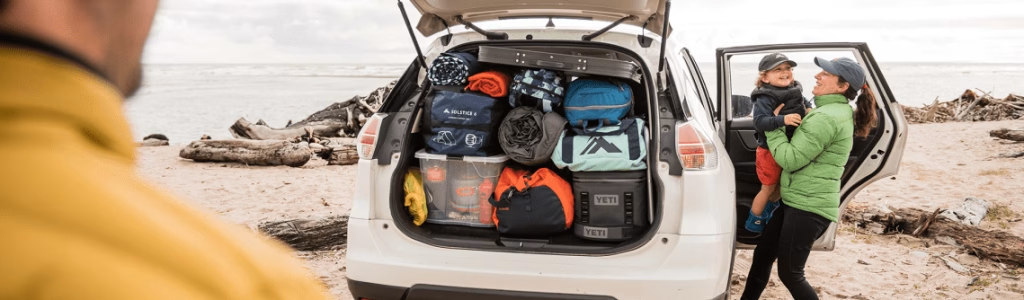
There’s something truly magical about spending a night under a canopy of stars, waking up to the sound of birds, and brewing your morning coffee amidst nature’s embrace. If you’re a first-timer, the idea of a camping trip might feel a little daunting, especially when it comes to packing. Trust me, I’ve been there! My first camping adventure was a mix of excitement and a slight panic about forgetting something crucial. But over the years, I’ve learned that with a solid camping checklist for first timers, you can transform any trepidation into pure anticipation. This guide is designed to help you navigate the packing process, ensuring you have everything you need for a comfortable, safe, and incredibly fun outdoor experience. We’ll cover all the essentials, from setting up your cozy camp to whipping up delicious meals under the open sky. So, let’s dive in and get you ready for an unforgettable journey into the wild!
Setting Up Your Home Away From Home: Campsite Essentials
Your campsite isn’t just a patch of ground; it’s your temporary home, your sanctuary after a day of exploring, and the heart of your outdoor experience. It’s where you’ll sleep, cook, eat, and unwind. When I first started camping, I quickly realized that a well-equipped campsite makes all the difference between a good trip and a great one. While some campsites offer basic amenities like picnic tables or shared bathrooms, many are quite primitive, so it’s always best to be prepared. Knowing what to expect beforehand, perhaps by checking the campsite’s facilities when you book, can save you a lot of hassle. The beauty of camping often lies in its simplicity, proving we can thrive with less, but having the right gear ensures comfort and convenience.
What are the absolute must-haves for your campsite?
Here’s a breakdown of the core items you’ll want to have for your base camp:
- Tent: This is your primary shelter. Choose one appropriate for the number of people and the expected weather conditions. A good tent is your first line of defense against the elements.
- Hammer or Mallet: Essential for securing tent pegs. Trust me, trying to push those pegs in with your foot is a rookie mistake you only make once!
- Sleeping Bag: Crucial for a good night’s sleep. Make sure it’s rated for the temperatures you anticipate. There’s nothing worse than being cold at night.
- Pillow: Don’t underestimate the comfort a familiar pillow can bring. A good night’s rest is key to enjoying your days.
- Blow-up Mattress or Sleeping Mat: For added comfort and insulation from the cold ground. Your back will thank you.
- Camp Chairs: After a day of hiking or exploring, a comfortable chair to relax in around the campfire is a luxury you won’t regret.
- Camp Trestle Table: If your campsite doesn’t provide a picnic table, a portable table is invaluable for meal prep and dining.
Enhancing Your Campsite Comfort: Optional Gear
While the essentials cover your basic needs, these optional items can significantly upgrade your camping experience:
- Lanterns: While headlamps are great for personal use, lanterns provide ambient light for your entire campsite, making evening activities much more enjoyable.
- Tarps: Useful for extra shelter over your tent or as a ground cover if your tent floor isn’t fully waterproof. They offer versatility for various weather conditions.
- Tablecloth with Clips/Tape: A simple addition that makes your camp table feel more like home and keeps things clean.
- Rug or Picnic Blanket: Adds a touch of coziness and keeps dirt out of your tent.
- Stretcher Bed: For those who prefer to sleep off the ground, a stretcher bed offers superior comfort and airflow.
- Portable Shower: If you’re camping in a remote area without facilities, a portable shower can be a game-changer for staying fresh.
Camping with Little Ones: Family-Friendly Campsite Additions
Bringing kids along? These items will make their camping experience, and yours, much smoother:
- Portable Cot: For younger children, a safe and familiar sleeping space is essential.
- Kids’ Sleeping Bag or Bedding: Ensure they are warm and comfortable throughout the night.
- Kids’ Favorite Pillows and Sleep Toys: Small comforts from home can help them settle into a new environment.
- Portable Highchair or Booster Seat: Makes meal times easier and safer for toddlers.
Remember, the more you camp, the more you’ll discover what truly works for you and your crew. This camping checklist for first timers is a fantastic starting point, but don’t be afraid to refine it as you gain more experience. After all, every trip is a learning opportunity!
Mastering Camp Cuisine: Your Essential Cookware Checklist
One of the joys of camping is cooking and eating outdoors. There’s nothing quite like a meal prepared over an open fire or a portable stove, surrounded by nature. When I first started, I imagined gourmet meals, but quickly learned that simplicity and efficiency are key. Think of your camp kitchen as an extension of your home kitchen, but with a focus on durability and portability. You’ll need items for preparing, cooking, and cleaning up your meals.
What kitchen essentials do you need for camping?
Here’s a comprehensive list to get your camp kitchen up and running:
- Portable Camp Stove and Fuel: Absolutely essential if there are no barbecue facilities or if open fires are prohibited. A reliable stove means hot meals and coffee every time.
- Cast-Iron Frypans and Saucepans: These are fantastic for cooking over a campfire due to their ability to withstand high temperatures and distribute heat evenly. They’re also incredibly durable.
- Heavy Duty Oven Mitts: Crucial for handling hot pots and pans, especially when cooking over a fire. Safety first!
- Waterproof Matches / Extra Long Matches / Lighter: You’ll need a reliable way to start your stove or campfire. Keeping matches in a waterproof container is a lesson I learned the hard way after a sudden downpour.
- Cooking Utensils: Tongs, a sharp knife (or two!), a spatula, and mixing spoons are your basic tools for preparing and serving food.
- Mixing Bowls: Handy for everything from mixing pancake batter to holding chopped vegetables.
- Bottle Opener, Can Opener, and Corkscrew: Don’t forget these small but mighty tools! Nothing worse than being unable to open your favorite camp beverage.
- Large Washing Up Tub: Essential for efficient dishwashing. A collapsible one saves space.
- Biodegradable Detergent: Be kind to nature! Use eco-friendly soap for all your washing needs.
- Sponges and Scrubbers: For keeping your cookware clean.
- Paper Towels: Invaluable for quick clean-ups and drying.
- Dish Cloths and Tea Towels: For drying dishes and general kitchen duties.
- Plates and Bowls (Reusable and Unbreakable): Avoid disposables to minimize waste. Melamine or bamboo options are great.
- Mugs and Cups (Reusable and Unbreakable): For your morning coffee, evening tea, or any other beverage.
- Eating Utensils: Forks, spoons, and knives for everyone.
- Esky (Cooler) for Ice, Fresh Food, and Drinks: A good cooler is a game-changer for keeping perishables fresh and drinks cold. Invest in a quality one.
- Plastic Waste and Recycling Bags: Pack it in, pack it out! Always leave your campsite cleaner than you found it.
- Surface / Water Wipes: For quick sanitization of surfaces.
- Roasting Forks or Skewers with Wooden Handles: Perfect for hot dogs, marshmallows, or anything else you want to roast over the fire.
- Food Storage Containers / Bags / Aluminum Foil: For leftovers and keeping food protected from critters.
Having a well-organized camp kitchen makes meal preparation a breeze, allowing you more time to enjoy the natural beauty around you. This section of your camping checklist for first timers is all about ensuring you’re well-fed and happy on your adventure!
Fueling Your Adventure: The Food and Drink Checklist
When you’re out in the wilderness, far from the nearest grocery store, your food and drink supply becomes paramount. There’s no popping to the corner shop for forgotten items, so meticulous planning is key. I’ve learned that a well-thought-out meal plan not only prevents hunger pangs but also saves valuable space and reduces waste. If your chosen campsite doesn’t have running water, remember to factor in enough water for both hydration and hygiene – a lesson I quickly learned on a particularly remote trip where every drop counted!
What food and drink essentials should you pack for camping?
Here’s what you’ll need to keep everyone well-fed and hydrated:
- Bags of Ice: Stored in your trusty cooler (esky), ice is vital for keeping perishable foods fresh and drinks cold. It’s the unsung hero of camp comfort.
- Drinking Water: A general rule of thumb is 4 liters (about a gallon) per person, per day. This covers drinking, and a little extra for quick rinses or brushing teeth.
- Additional Water for Cleaning and Fires: If running water isn’t available, bring a minimum of 10 liters (around 2.5 gallons) for washing dishes and, crucially, for properly extinguishing campfires. Safety first!
- Cooking Oil: Essential for almost any camp cooking, from frying eggs to sautéing vegetables.
- Salt and Pepper: The basic seasonings that can elevate any camp meal.
- Condiments: Ketchup, mustard, hot sauce – whatever your family enjoys to make meals more flavorful.
- Tea and Coffee: For those essential morning rituals. There’s nothing quite like a hot cup of coffee as the sun rises over the trees.
- Long-Life Milk: UHT milk is a lifesaver when refrigeration is limited, perfect for coffee, cereal, or cooking.
- Packaged Foods: Think canned goods, snacks, and other non-perishables. These are your reliable backup options and easy-to-grab energy boosts.
- Fresh Food for Open Fire and Stovetop Cooking: Plan your meals and pack accordingly. From foil-packet dinners to grilled veggies, fresh ingredients make a huge difference. For ideas, check out our camping gear list for beginners .
- Bottled Drinks: Juices, sodas, or sparkling water – whatever you prefer to quench your thirst.
Keeping the Little Campers Happy: Kid-Friendly Food and Drink
If you’re bringing children, their dietary needs and preferences require special attention:
- Kid-Friendly Snacks: Granola bars, fruit snacks, crackers – easy to eat and provide quick energy.
- Formula or Packaged Baby Food: If applicable, ensure you have more than enough for the duration of your trip, as these are not easily found in the wild.
Careful planning of your food and drink supply is a cornerstone of a successful and enjoyable camping trip. This part of your camping checklist for first timers ensures you’re well-nourished and ready for all the adventures ahead!
The Heart of the Camp: Your Campfire Essentials
There’s an undeniable allure to a crackling campfire. It’s more than just a source of heat and light; it’s the social hub of any camping trip, a place where stories are shared, laughter echoes, and delicious meals are cooked. I remember my first campfire – the mesmerizing dance of the flames, the comforting warmth on a cool evening, and the simple joy of roasting marshmallows. However, before you even think about striking a match, it’s absolutely crucial to check the rules of your specific campsite. Many areas have strict fire regulations, especially during dry seasons, and lighting a fire on a Total Fire Ban day is not only irresponsible but also incredibly dangerous. Always prioritize safety and respect the environment.
What do you need for a safe and enjoyable campfire?
Here’s what to include in your camping checklist for first timers to ensure your campfire experience is both memorable and safe:
- Firewood: While it might be tempting to gather wood from your surroundings, collecting firewood is often prohibited in campsites to protect natural habitats. It’s best to purchase firewood from a local vendor near your campsite. This ensures you have dry, ready-to-burn wood.
- Kindling: Small, dry twigs, bark, or paper are essential for getting your fire started. They catch fire easily and help ignite the larger pieces of wood.
- Fire Starter: Whether it’s a firelighter cube, cotton balls soaked in petroleum jelly, or even dryer lint, a good fire starter makes the initial ignition much easier. This is where a little preparation goes a long way.
- Extra-Long Waterproof Matches / Extra-Long Regular Matches (in a waterproof container) / Lighter: A reliable ignition source is non-negotiable. Keeping your matches dry is paramount – I’ve had more than one frustrating experience with damp matches!
Building and maintaining a campfire is a quintessential part of the camping experience, but it comes with significant responsibility. Always ensure your fire is completely extinguished before leaving it unattended or going to sleep. Pour water over the embers, stir them, and then pour more water until everything is cool to the touch. This diligent approach ensures the safety of both the environment and future campers. Enjoy the warmth and camaraderie a campfire brings, but always remember to be fire-safe!
Dressing for Success: Your Clothing and Footwear Guide
Packing the right clothes for a camping trip is more than just throwing a few t-shirts into a bag; it’s about preparing for whatever Mother Nature decides to throw your way. I’ve learned that even on what seems like a perfectly sunny day, temperatures can drop significantly once the sun sets, and a sudden rain shower can turn a pleasant hike into a soggy ordeal. A quick trip to a dedicated camping or outdoor store can give you a great sense of the specialized clothing available, but the core principle remains: comfort, layers, and adaptability. You want to feel good whether you’re hiking a trail, sitting by the fire, or sleeping soundly in your tent. Remember, the goal is to be prepared, not overpacked.
What clothing and footwear should be on your camping checklist for first timers?
Here’s a comprehensive list to keep you comfortable and protected:
- Weather-Appropriate Tops and Bottoms: This is your base layer. Think about the climate you’ll be in. Lightweight, breathable fabrics are great for warmer weather, while thermal layers are essential for colder conditions.
- Underwear: Pack enough for each day, plus a few extras. Comfort is key here.
- Weather-Appropriate Outerwear: A good raincoat is non-negotiable. Even if the forecast looks clear, a sudden downpour can happen. An insulated jacket is also crucial for warmth, especially in the evenings or at higher altitudes.
- Hiking Shoes or Boots: Choose footwear suited to the terrain you’ll be exploring. If you plan on serious trails, invest in sturdy, broken-in hiking boots. For lighter activity, comfortable walking shoes might suffice.
- Sandals / Flip-flops: Perfect for around the campsite, for quick trips to the bathroom, or for letting your feet breathe after a long day in hiking boots.
- Sleepwear: Something comfortable and warm for sleeping. Even in summer, nights can get chilly.
- Socks: A variety of socks is a good idea: moisture-wicking socks for hiking to prevent blisters, and warm, cozy socks for sleeping.
- Gloves / Beanie (for cold weather): Small items that make a huge difference in keeping you warm when temperatures drop.
- Long-Sleeve Layers: Excellent for sun protection during the day and adding warmth in the evenings. I always pack at least one light long-sleeve shirt, even in summer.
- Sun Hat and Sunglasses: Essential for protecting yourself from the sun’s rays, whether you’re hiking or just relaxing at camp.
- Extra Clothing for Kids Who Love Getting Messy: If you’re camping with children, assume they will get dirty. Pack more changes of clothes than you think you’ll need!
Are there any optional clothing items that enhance the experience?
Absolutely! These can add an extra layer of comfort or utility:
- Swimwear: If your campsite is near a lake, river, or has a pool, you’ll definitely want your swimsuit.
- Water Shoes: Great for rocky shorelines or exploring shallow streams, protecting your feet from sharp objects.
Choosing the right attire ensures you’re ready for any adventure and can fully immerse yourself in the camping experience without being distracted by discomfort. This part of your camping checklist for first timers is all about smart layering and being prepared for the unpredictable beauty of the outdoors.
Staying Fresh in the Wild: Your Toiletries Checklist
Camping offers a wonderful opportunity to simplify your routine and reconnect with nature, and that often extends to your personal hygiene. Forget the elaborate skincare regimen; in the bush, less is often more. My first few trips involved hauling way too many products, only to realize that a few multi-purpose, biodegradable items are all you truly need for a fuss-free refresh. It’s about being practical and environmentally conscious.
What essential toiletries should you pack for your camping trip?
Here’s a streamlined list to keep you feeling clean and comfortable:
- Sunscreen: Non-negotiable! Protect your skin from the sun’s powerful rays, even on cloudy days. A high SPF is always a good idea.
- Insect Repellent: Keep those pesky bugs at bay. Mosquitoes and ticks can quickly turn a pleasant evening into an itchy nightmare.
- Toothbrush and Toothpaste: Basic hygiene is still important, even in the wilderness. Keep your smile fresh!
- Quick-Drying or Regular Bath/Beach Towels: If your campsite has shower facilities, a towel is a must. Quick-drying options are fantastic for camping as they don’t stay damp for long.
- Tissues: Always handy for sneezes, spills, or quick clean-ups.
- Prescription Medication: If you take any daily medications, ensure you have enough for the entire trip, plus a few extra days’ supply, just in case.
- Menstrual Products: For female campers, pack what you need for your cycle.
- Biodegradable Soap: Essential for washing hands, dishes, and even yourself if you’re lucky enough to have a portable shower. Using biodegradable soap protects the environment.
- Hand Sanitizer: Invaluable for quick hand cleaning when water isn’t readily available, especially before meals.
- Toilet Paper: Never assume it will be provided, especially in more primitive campsites. Pack a roll or two in a waterproof bag.
- Rubbish Bags: For disposing of all your waste, including used toiletries. Remember the golden rule: pack it in, pack it out!
Embracing a minimalist approach to toiletries while camping allows you to focus more on the experience and less on unnecessary clutter. This part of your camping checklist for first timers is about smart packing for personal care in the great outdoors.
Staying Safe in the Wild: Your Safety Checklist
Safety is paramount when venturing into the outdoors, especially in remote areas where familiar conveniences like streetlights and reliable cell service are non-existent. My personal rule of thumb, learned after a few close calls, is always to tell someone your plans. Whether it’s a family member back home or a trusted friend, letting them know where you’re going, when you expect to return, and your general itinerary can be a literal lifesaver. Similarly, if you’re heading out for a hike from your campsite, always inform a camping buddy of your route and estimated return time. A little communication goes a long way in ensuring peace of mind for everyone.
What are the crucial safety items for your camping trip?
This section of your camping checklist for first timers focuses on preparedness and prevention:
- Offline Map: Before you leave home, download the area you’ll be camping in on Google Maps or a similar app. Cell service can be spotty or non-existent in many wilderness areas, and a downloaded map ensures you can navigate even without a signal. I’ve relied on this more times than I can count!
- Torch (Flashlight) and Headlamps: Essential for navigating in the dark. Headlamps are particularly useful as they keep your hands free for other tasks, like setting up camp or cooking after sunset.
- Personal Locator Beacon (PLB): If you’re planning to venture into truly remote areas or difficult terrain, a PLB is a critical piece of safety equipment. It can send a distress signal with your exact location to rescue services, even when there’s no cell service. It’s an investment in your safety.
- First-Aid Kit: A well-stocked first-aid kit is an absolute must. Minor cuts, scrapes, blisters, or insect bites are common occurrences in the outdoors. Make sure it includes bandages, antiseptic wipes, pain relievers, allergy medication, and any personal medications you might need. Knowing how to use the contents is just as important as having them.
Being prepared for potential hazards doesn’t mean you’re expecting the worst; it means you’re empowering yourself to handle unexpected situations with confidence. This safety component of your camping checklist for first timers is about equipping you with the tools and knowledge to enjoy your outdoor adventure responsibly.
Making Memories: Your Entertainment Checklist for the Campsite
While the primary draw of camping is often the natural beauty and outdoor activities, there will inevitably be downtime at the campsite. This is where the magic of unplugging truly happens. Without the constant distractions of screens, you’re invited to reconnect with your companions, engage in old-fashioned fun, and simply relax. I’ve found that some of my most cherished camping memories come from these moments – a competitive board game under the stars, sharing stories around the fire, or simply reading a good book with the sounds of nature as a backdrop. Remember to be mindful of other campers and keep noise levels respectful, especially during quiet hours.
What entertainment items should you bring to camp?
Here’s what to include in your camping checklist for first timers to ensure there’s never a dull moment:
- Board and Card Games: These are fantastic for group interaction and can provide hours of fun, regardless of the weather. Easy to pack and endlessly entertaining.
- Books and Magazines: For quiet moments of relaxation. There’s something uniquely satisfying about reading a physical book in the tranquility of nature.
- Balls: A simple soccer ball or frisbee can provide impromptu fun and exercise for all ages.
- Notepads and Stationery: For journaling, sketching, or even writing postcards. It’s a great way to document your experiences and unleash some creativity.
- Music Player and Earphones: While sharing music can be fun, earphones are essential for personal listening, especially if you want to be considerate of other campers.
- Camera: To capture all those unforgettable moments and stunning landscapes. Don’t rely solely on your phone!
Keeping the Youngest Campers Engaged: Entertainment for Kids
Children thrive on novelty and exploration, and camping offers endless opportunities for both. Packing a few dedicated items for them can make a huge difference in their enjoyment and your peace of mind:
- Bubbles: Simple, classic, and always a hit with little ones.
- Glow Sticks: Perfect for evening fun around the campsite, making kids visible and adding a touch of magic.
- Torches (Flashlights): Kids love having their own light source for exploring after dark or telling spooky stories in the tent.
- Favorite Games and Books: Familiar items from home can provide comfort and entertainment.
- Coloring Books and Crayons: A quiet activity for downtime or rainy days.
- Camera: A kid-friendly camera can encourage them to see the world through their own lens and capture their unique perspective.
- Binoculars: For spotting wildlife or getting a closer look at distant landscapes.
- Magnifying Glass: To explore the tiny wonders of nature – insects, leaves, and more.
Embracing the slower pace of camp life and having a few entertainment options on hand will enrich your experience and create lasting memories. This section of your camping checklist for first timers is all about making the most of your time in the great outdoors, beyond just the adventure activities.
Equipping Your Expedition: Tools and Equipment for a Smooth Trip
Having the right gear is one thing, but having the right tools to maintain, repair, and power that gear is another entirely. I’ve learned that even the most meticulously packed camping checklist for first timers can fall short if you don’t have the means to handle minor mishaps or keep your devices charged. From setting up your tent to patching a leaky air mattress, these tools are the unsung heroes that ensure your trip runs smoothly. Think of them as your camp’s emergency kit, ready to tackle anything from a loose tent stake to a dead phone battery.
What essential tools and equipment should you bring?
Here’s a breakdown of the practical items that will make your camping experience much more manageable:
- Solar / Portable Power Pack: In today’s world, even in the wilderness, keeping devices charged is often a necessity. A portable power pack or a solar charger is invaluable for phones, headlamps, and other small electronics. I always make sure mine is fully charged before heading out, as it’s a lifeline for navigation and communication.
- Multi-Purpose Camping Tool: A good multi-tool can be a lifesaver. It often includes pliers, screwdrivers, a knife, and other useful implements in one compact unit. It’s amazing how often you’ll reach for it.
- Spare Batteries: For lanterns, torches, and headlamps. Always double-check the battery types needed for your devices and pack extras. There’s nothing worse than being plunged into darkness unexpectedly.
- Hammer or Mallet: While already mentioned for tent pegs, it’s worth reiterating its importance. A sturdy hammer makes quick work of securing your shelter.
- Duct Tape: The ultimate camping repair tool! From patching a torn tent to fixing a broken chair, duct tape can temporarily solve a multitude of problems. It’s earned its nickname as “camper’s best friend” for a reason.
- Repair Kits (for tent and mattress): Small punctures and tears are common. Having a dedicated repair kit for your tent and sleeping mattress can save you from a cold, wet night or an uncomfortable sleep. These are usually compact and easy to carry.
- Extra Cords: Paracord or rope can be incredibly versatile. Use them for securing a shelter, creating a makeshift clothesline, hanging food out of reach of animals, or tying down gear. Their utility is limited only by your imagination.
- Dustpan and Brush: A simple but effective tool for keeping your tent and living area clean from dirt, leaves, and debris. A tidy camp is a happy camp.
These tools and pieces of equipment might not be the most glamorous items on your camping checklist for first timers, but they are undeniably some of the most important. They provide the practical support needed to handle the unexpected and ensure your focus remains on enjoying the natural beauty around you, rather than being bogged down by minor inconveniences.
Conclusion: Your Adventure Awaits!
Embarking on your first camping trip is an exciting milestone, a chance to disconnect from the daily grind and reconnect with nature. While the idea of packing for the great outdoors might seem overwhelming at first, with this comprehensive camping checklist for first timers, you’re now equipped with the knowledge and confidence to plan an unforgettable adventure. Remember, every trip is a learning experience, and you’ll continually refine your gear and preferences with each new journey. So, pack smart, stay safe, and most importantly, enjoy every moment under the open sky. Happy camping