

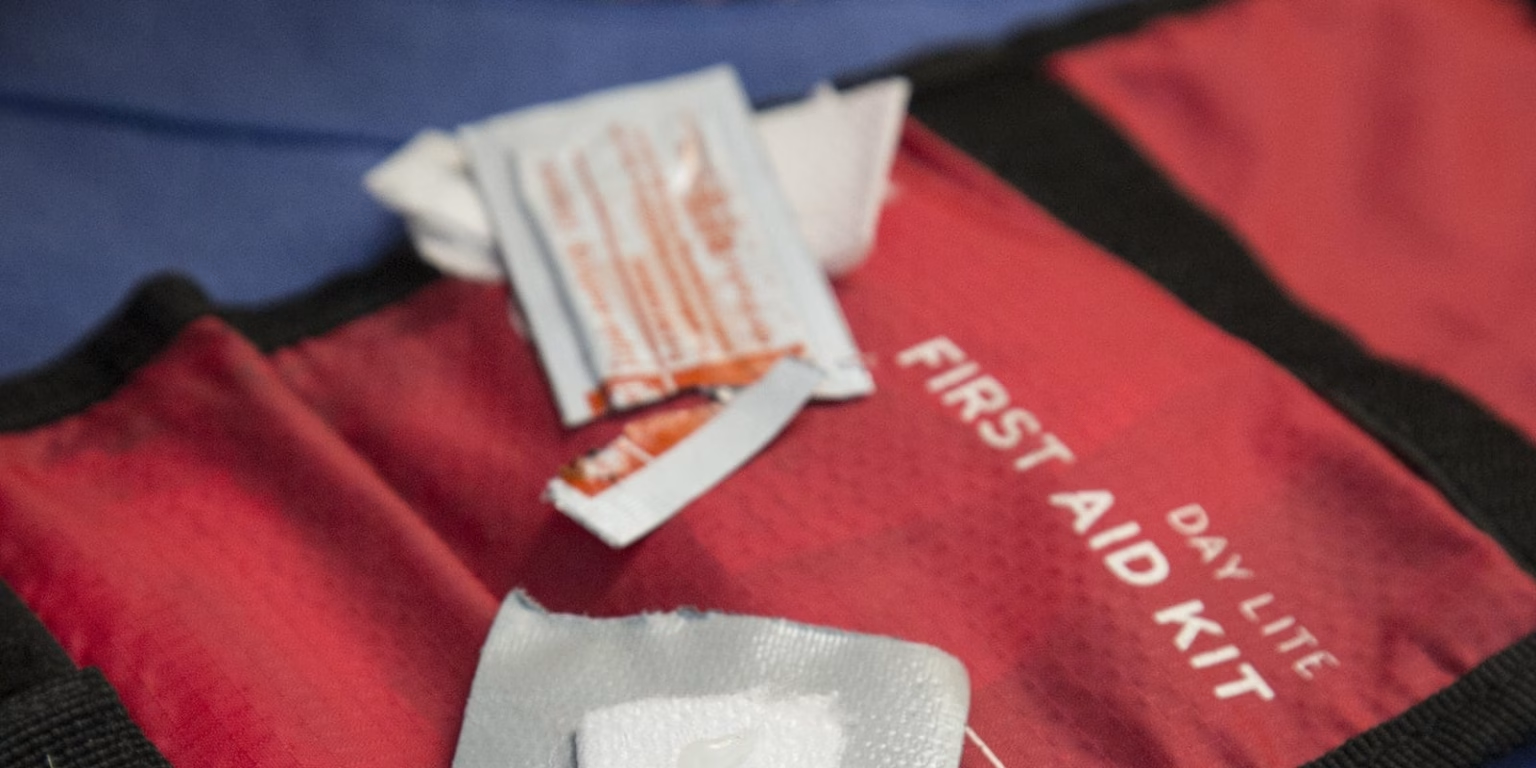
The First Aid Kit for Camping Adventures: Your Essential Companion
Heading into the great outdoors is an exhilarating experience, offering a chance to reconnect with nature and create lasting memories. However, even the most meticulously planned camping trips can encounter unexpected bumps, scrapes, or more serious incidents. That’s why having a well-stocked first aid kit for camping isn’t just a good idea—it’s an absolute necessity. Think of it as your portable safety net, ready to help you handle minor mishaps and provide crucial immediate care when you’re far from medical facilities.
Whether you opt for a pre-assembled kit or prefer to build your own, understanding the contents and knowing how to use them is paramount. Consider taking a basic first-aid training course; the knowledge gained is just as vital as the supplies themselves. This guide will walk you through the essential items, ensuring you’re prepared for whatever nature throws your way.
What Should Be in Your Camping First Aid Kit? Essential Components for Outdoor Safety
Building a comprehensive first aid kit for camping starts with the basics. These are the fundamental items for addressing common injuries and ailments you might encounter on the trail or at your campsite. Remember, this list is a starting point, and you’ll need to customize it based on your group’s specific needs, the duration of your trip, and the remoteness of your destination. Don’t forget to include any personal prescription medications your group requires.
Basic Care Essentials: Addressing Everyday Ailments and Minor Injuries
For those everyday cuts, scrapes, and irritations, these items are your go-to:
- Antiseptic Wipes: BZK-based wipes are generally preferred, but alcohol-based wipes are also acceptable for cleaning wounds.
- Antibacterial Ointment: Products like bacitracin help prevent infection in minor cuts and abrasions.
- Compound Tincture of Benzoin: This acts as a fantastic bandage adhesive, helping dressings stay put in challenging outdoor conditions.
- Assorted Adhesive Bandages: Fabric bandages are often more durable and flexible, making them ideal for active outdoor use.
- Butterfly Bandages / Adhesive Wound-Closure Strips: These are crucial for closing smaller, cleaner cuts, potentially preventing the need for stitches.
- Gauze Pads (various sizes): Essential for covering larger wounds and absorbing fluids.
- Nonstick Sterile Pads: These prevent dressings from sticking to healing wounds, making changes less painful.
- Medical Adhesive Tape (10 yd. roll, min. 1″ width): A versatile item for securing bandages and other dressings.
- Blister Treatment: Whether it’s moleskin, hydrocolloid bandages, or specialized blister pads, these are a must-have for hikers.
- Ibuprofen / Other Pain-Relief Medication: For managing pain, inflammation, and fevers.
- Insect Sting / Anti-Itch Treatment: Provides relief from bug bites and allergic skin reactions.
- Antihistamine: Important for treating allergic reactions, from mild skin irritations to more severe responses.
- Splinter (fine-point) Tweezers: Indispensable for removing splinters, ticks, and other small foreign objects.
- Safety Pins: Surprisingly versatile for securing bandages, repairing gear, or even improvised slings.
- First-Aid Manual or Information Cards: A quick reference guide can be invaluable in an emergency, especially if you’re feeling flustered.
Beyond the Basics: Wraps, Splints, and Advanced Wound Coverings
When injuries are more significant, your first aid kit for camping needs to step up its game. These items are designed for stabilizing injuries and providing more comprehensive wound care.
- Elastic Wrap: For sprains and strains, providing compression and support.
- Triangular Cravat Bandage: Extremely versatile, usable as a sling, tourniquet, or to secure splints.
- Finger Splint: Small, pre-formed splints for stabilizing finger injuries.
- SAM Splint: Moldable, reusable splints that can be cut and shaped for various fractures and sprains.
- Rolled Gauze: For padding and wrapping injuries.
- Rolled, Stretch-to-Conform Bandages: These conform to body contours, offering better coverage and security.
- Hydrogel-Based Pads: Excellent for burns, providing a cooling and protective barrier.
- First-Aid Cleansing Pads with Topical Anesthetic: For cleaning wounds while also numbing the area to reduce pain.
- Hemostatic (Blood-Stopping) Gauze: Crucial for controlling severe bleeding.
- Liquid Bandage: A convenient way to cover small cuts and abrasions, especially in awkward areas.
Specialized Medications and Treatments: Preparing for Specific Health Needs
Your first aid kit for camping should also account for potential health issues beyond immediate injuries. This section covers medications and treatments for common ailments that can arise in the wilderness.
- Prescription Medications: Ensure all group members have an adequate supply of their personal medications, such as antibiotics or asthma inhalers.
- Sunburn Relief Gel or Spray: For soothing painful sunburns.
- Throat Lozenges: For coughs and sore throats.
- Lubricating Eye Drops: To relieve dry, irritated eyes from dust, wind, or allergens.
- Diarrhea Medication: An essential for any trip, as digestive issues can quickly dehydrate and debilitate.
- Antacid Tablets: For indigestion or heartburn.
- Oral Rehydration Salts: Vital for replenishing electrolytes lost due to dehydration, vomiting, or diarrhea.
- Glucose or Other Sugar: For treating hypoglycemia (low blood sugar), especially important for individuals with diabetes.
- Injectable Epinephrine: For individuals with known severe allergies (e.g., to insect stings or certain foods), this can be life-saving.
- Aspirin: Primarily carried for its role in responding to a suspected heart attack, though consult a medical professional for proper guidance.
Tools and Supplies: The Practical Side of Your Camping First Aid Kit
Beyond medical items, certain tools and general supplies enhance the functionality of your first aid kit for camping. These items assist in administering care and maintaining hygiene.
- Knife (or Multi-Tool with Knife): A versatile tool for cutting bandages, opening packaging, or other utility tasks.
- Paramedic Shears (Blunt-Tip Scissors): Designed to safely cut through clothing or tough materials without injuring the patient.
- Safety Razor Blade :For precise cutting needs, such as opening blisters or trimming tape.
- Cotton-Tipped Swabs: Useful for applying ointments or cleaning small areas.
- Standard Oral Thermometer: For monitoring body temperature, crucial for diagnosing illness.
- Irrigation Syringe with 18-Gauge Catheter: For thoroughly cleaning wounds with sterile water or saline.
- Medical / Surgical Gloves (Nitrile Preferred; Avoid Latex): Essential for protecting both the caregiver and the patient from contamination. Nitrile is preferred due to latex allergies.
- CPR Mask: For safe and effective rescue breathing.
- Small Notepad with Waterproof Pencil or Pen: For recording symptoms, medications given, and time of incidents.
- Medical Waste Bag: For safe disposal of contaminated materials and sharps.
- Waterproof Container to Hold Supplies and Meds: Protects your kit’s contents from moisture and damage.
- Emergency Heat-Reflecting Blanket: Provides warmth and helps prevent hypothermia in cold or emergency situations.
- Hand Sanitizer: For quick hand cleaning when soap and water aren’t available.
- Biodegradable Soap: For more thorough cleaning of hands and minor wounds.
Why is a Dedicated First Aid Kit for Camping So Important?
Camping takes you away from the conveniences of urban life, including immediate access to medical help. A well-prepared first aid kit for camping empowers you to be self-sufficient and respond effectively to emergencies. It can mean the difference between a minor inconvenience and a serious situation escalating. From a simple cut to a sprained ankle, having the right tools at your fingertips ensures you can provide immediate care, stabilize the situation, and make informed decisions about further action.
Remember, preparedness is key to a safe and enjoyable outdoor experience. Don’t leave home without your comprehensive first aid kit for camping.
Ready for Your Next Adventure? Don’t Forget Your Gear!
For a complete rundown of everything you need to pack for your outdoor excursions, check out our comprehensive guide on camping gear list for beginners.