
Essential Camping Gear List for Beginners: Embrace the Great Outdoors!
Camping offers an incredible opportunity to disconnect from the daily grind and reconnect with nature, whether you’re with family, friends, or enjoying some peaceful solitude. The beauty of camping lies in its versatility – you can go minimalist with just the bare necessities or create a cozy, luxurious outdoor haven with all the comforts of home. From pitching your tent in a serene national park to setting up camp in your own backyard, the possibilities are endless
Most established campsites provide fundamental amenities like a picnic table, a designated parking spot for your vehicle, and a clear area to pitch your tent. Many also offer shared facilities such as bathrooms and running water, though it’s always a good idea to confirm these details before you embark on your journey.
While the allure of camping often stems from the idea of needing very little to thrive outdoors, having a comfortable, convenient, and inviting setup can significantly enhance your experience. If you’re new to the world of camping, borrowing or renting some essential items can be a smart starting point. As you gain experience and discover your personal camping style, you’ll find immense satisfaction in curating the perfect gear collection to meet your evolving needs.
To ensure you’re fully prepared and don’t overlook any crucial items, this comprehensive guide provides a detailed camping gear list for beginners. While it’s extensive, remember that you don’t need every single item to have an amazing trip – though we certainly won’t judge if you do! Let’s dive into what you’ll need to make your first camping adventure a resounding success.
What are the Essential Items for Your Campsite?
Setting up your base camp is the first step to a successful outdoor adventure. Here’s a breakdown of the crucial items you’ll need to create a comfortable and functional living space in the wilderness:
Your Shelter: Tent, Sleeping Bags, and Pads
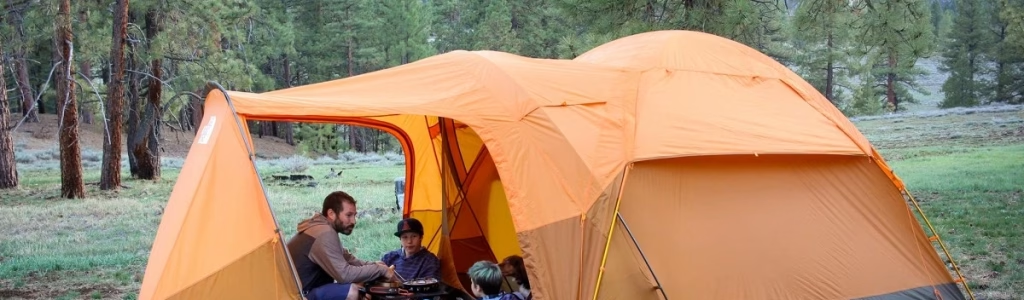
- Tent (and footprint, stakes): Your primary shelter from the elements. Choose a tent appropriate for the number of people and expected weather conditions. A footprint (ground cloth) protects the tent floor, and sturdy stakes are essential for securing it.
- Sleeping bags: Crucial for a good night’s rest. Select a sleeping bag rated for the lowest temperatures you expect to encounter.
- Sleeping pads: These provide insulation from the cold ground and add a layer of comfort, making your sleeping bag much more effective.
- Camping pillow: While optional, a dedicated camping pillow can significantly improve your sleep quality. Many campers use a stuff sack filled with clothes as a makeshift pillow.
Lighting Your Way: Headlamps, Flashlights, and Lanterns
- Headlamps or flashlights (and extra batteries): Indispensable for navigating in the dark, setting up camp after sunset, or finding your way to the restroom. Always pack extra batteries!
- Lantern (and mantles and fuel/batteries if needed): Provides ambient light for your campsite, perfect for cooking, reading, or playing games after dark.
Comfort and Convenience at Camp
- Camp chairs: After a day of exploring, a comfortable camp chair is a welcome luxury for relaxing around the campfire or enjoying a meal.
- Camp table (if no picnic table): If your campsite doesn’t have a picnic table, a portable camp table provides a convenient surface for cooking, eating, or organizing your gear.
Optional Campsite Enhancements for a Better Experience
While not strictly essential for every trip, these items can significantly enhance your camping experience, especially for beginners looking to add a touch of home comfort:
- Sunshade, tarp or screen house: Offers protection from sun, rain, or insects, creating an additional sheltered area at your campsite.
- Hammock: Perfect for relaxing and enjoying the tranquility of nature.
- Cots: Provide an elevated sleeping surface, offering more comfort and insulation than sleeping directly on the ground.
- Sleeping bag liners: Add warmth to your sleeping bag and keep it cleaner.
- Firewood sourced near campsite: If campfires are permitted and you plan to have one, sourcing firewood locally helps prevent the spread of invasive species.
- Camp rug: Adds a touch of comfort and helps keep your tent cleaner.
- Tablecloth and clips (or tape): A simple way to make a picnic table feel more inviting and hygienic.
- Clothesline with clips: Handy for drying wet clothes or towels.
What Tools and Repair Items Should You Bring for your camping?
Even the most meticulously planned camping trip can encounter unexpected minor issues. Having a basic set of tools and repair items can be a lifesaver, allowing you to quickly address small problems and keep your adventure on track:
- Multi-tool: A versatile and compact tool that combines pliers, knives, screwdrivers, and more. It’s an absolute must-have for any camper.
- Duct tape: The ultimate fix-all! From patching a torn tent to mending a broken pole, duct tape can temporarily solve a multitude of problems.
- Extra cord: Useful for countless tasks, such as securing gear, creating a makeshift clothesline, or tying down a tarp.
- Tent-pole repair sleeve: A small but crucial item that can save your trip if a tent pole breaks.
- Pad/Mattress repair kit: For inflatable sleeping pads, a small repair kit can quickly patch punctures and restore comfort.
- Mallet or hammer (for hammering tent stakes): Makes pitching your tent much easier and ensures your stakes are securely driven into the ground.
- Saw or axe (for cutting firewood): If you plan on having a campfire and are permitted to gather wood, a small saw or axe can be useful. Always check local regulations first.
- Small broom and dustpan: Keeps your tent and living area tidy, especially useful for sweeping out dirt and debris.
What Kitchen Essentials Do You Need for Camping?
Food tastes better outdoors, and a well-equipped camp kitchen makes meal preparation a breeze. Many campgrounds offer potable water, but if not, be prepared to bring your own or treat water from a natural source. For even more culinary inspiration and detailed food suggestions
Cooking and Eating Gear
- Stove and fuel: A portable camp stove is essential for cooking meals. Ensure you have enough fuel for your trip.
- Matches/lighter/firestarter: For igniting your stove or campfire.
- Cook pots (and pot holder): For boiling water, cooking pasta, or preparing other dishes.
- Frying pan: Versatile for cooking eggs, pancakes, or sautéing vegetables.
- Eating utensils: Forks, spoons, and knives for each camper.
- Cooking utensils: Spatula, ladle, tongs, etc.
- Bottle opener, can opener, corkscrew: Don’t forget these small but mighty tools!
- Sharp knife: A good quality knife is invaluable for food preparation.
- Plates/bowls: Reusable plates and bowls are eco-friendly and practical.
- Mugs/cups: For hot beverages or water.
- Cutting board: For safe and hygienic food preparation.
Food Storage and Cleaning
- Cooler: Keeps your perishable food and drinks cold. Consider a high-quality cooler for longer trips.
- Ice or ice substitutes: To keep your cooler contents chilled.
- Water bottles: Stay hydrated throughout your trip.
- Camp sink or wash bins: For washing dishes efficiently.
- Biodegradable soap: Essential for washing dishes and minimizing environmental impact.
- Pot scrubber/sponge(s): For cleaning up after meals.
- Trash/recycling bags: Pack out everything you pack in to leave no trace.
- Dish towel: For drying dishes.
Optional Kitchen Upgrades for the Camp Chef
For those who love to cook and want to elevate their camp culinary experience, consider these optional additions:
- Camp grill and fuel: For grilling meats and vegetables.
- Grill rack: If your stove doesn’t have a built-in grill.
- Griddle: Perfect for breakfast items like pancakes and bacon.
- Dutch oven: Ideal for slow-cooked meals, stews, and even baking over a campfire.
- Charcoal: If you plan to use a charcoal grill or Dutch oven.
- Portable coffee/tea maker: For your morning brew.
- Rolling ice cream maker: A fun novelty for family camping trips.
- Marshmallow/hot dog roasting forks: Classic campfire fun!
- Small food-storage containers/bags/foil: For leftovers or packing snacks.
- Large water jugs: For transporting and storing larger quantities of water.
- Large, clear plastic bins to store kitchen gear: Keeps your kitchen organized and protected.
What are Some Useful Campsite Extras?
While not always strictly necessary, these additional items can significantly enhance your camping experience, offering convenience, entertainment, and added safety. Depending on the remoteness of your campsite, navigation tools like a map, compass, or GPS might even be required.
- Solar and portable power: Keep your devices charged and lights on, especially useful for longer trips or remote locations.
- Binoculars: For wildlife viewing or stargazing.
- Navigation tools: Map, compass, and/or GPS are crucial for exploring beyond the campsite and ensuring you stay on track.
- Field guides (flowers, insects): Enhance your appreciation of the natural world around you.
- Star chart/night-sky identifier: Perfect for identifying constellations and planets on clear nights.
- Book/reading material: For quiet moments of relaxation.
- Notebook and pen/pencil: To jot down observations, draw, or keep a camping journal.
- Music player with headphones: Enjoy your favorite tunes without disturbing others.
- Games and toys: Keep everyone entertained, especially on rainy days or during downtime.
- Dog gear: If you’re bringing your furry friend, remember their food, water bowl, leash, and waste bags.
- Dry bags, stuff sacks or clear plastic bins to store items: Keep your gear organized and protected from moisture.
What Clothing and Footwear Should You Pack for Camping?
Layering is key when it comes to camping attire, as temperatures can fluctuate throughout the day and night. Prioritize comfort, durability, and quick-drying materials. Here’s a breakdown of essential clothing and footwear for your camping adventure:
Core Clothing Essentials
- Moisture-wicking underwear: Helps keep you dry and comfortable by pulling sweat away from your body.
- Moisture-wicking T-shirts: Similar to underwear, these shirts are designed to manage moisture, making them ideal for active days.
- Quick-drying pants/shorts: Essential for comfort, especially if you encounter unexpected rain or sweat during activities.
- Long-sleeve shirts (for sun, bugs): Provide protection from the sun’s rays and pesky insects, especially in wooded areas.
- Lightweight fleece or jacket: A versatile layer for cooler mornings, evenings, or as an extra layer under a heavier jacket.
- Boots or shoes suited to terrain: Choose footwear that offers good support and traction for the type of terrain you’ll be exploring. Waterproof options are often a good idea.
- Socks (synthetic or wool): Avoid cotton, as it retains moisture. Synthetic or wool socks will keep your feet dry and prevent blisters.
- Sleepwear: Comfortable clothes specifically for sleeping, helping you stay warm and cozy in your sleeping bag.
Preparing for Inclement Weather: Rain and Cold
Don’t let a change in weather dampen your spirits! Packing for rain and cold ensures you remain comfortable and safe:
- Rainwear (jacket and pants): A waterproof and breathable rain jacket and pants are non-negotiable for staying dry during unexpected downpours.
- Long underwear: An essential base layer for cold weather, providing crucial insulation against the chill.
- Warm insulated jacket or vest: For colder temperatures, a puffy insulated jacket or vest will provide significant warmth.
- Fleece pants: An excellent mid-layer for added warmth around camp or inside your tent.
- Gloves or mittens: Keep your hands warm in chilly conditions.
- Warm hat: A significant amount of body heat can be lost through your head, so a warm hat is vital in cold weather.
Optional Clothing and Footwear for Added Comfort
These items can add an extra layer of comfort and convenience, depending on your activities and personal preferences:
- Swimsuits: If your campsite is near a lake, river, or has shower facilities.
- Water sandals: Great for walking around camp, crossing streams, or using in shared showers.
- In-camp sandals or booties: Comfortable footwear for relaxing around your tent after a day of hiking.
- Bandanas: Multi-purpose items useful for sun protection, wiping sweat, or as a makeshift bandage.
How to Maintain Health and Hygiene While Camping?
Maintaining personal hygiene while camping is crucial for comfort and health. A well-stocked health and hygiene kit ensures you’re prepared for anything from minor scrapes to personal care needs. Here’s what to include:
Personal Care Essentials
- Toilet paper: Always bring your own, even if facilities are available.
- Hand sanitizer: Essential for cleaning hands before eating or after using the restroom, especially when water isn’t readily available.
- Toothbrush and toothpaste: Don’t neglect your dental hygiene in the wilderness!
- Toiletry kit: A small bag to keep all your personal care items organized.
- Quick-dry towel: Lightweight and efficient for drying off.
- Menstrual products: If applicable, pack enough for your trip.
- Prescription medications: Ensure you have all necessary medications and keep them accessible.
- First-aid kit or first-aid supplies: A comprehensive kit is vital for treating minor injuries.
Sun and Bug Protection: Your Outdoor Shields
Protecting yourself from the sun and insects is paramount for an enjoyable and safe camping experience:
- Sunscreen: Apply regularly to exposed skin to prevent sunburn.
- Sunglasses (and sunglasses straps): Protect your eyes from harmful UV rays and reduce glare.
- Sun hat: Provides additional protection for your face and neck.
- Lip balm: Keeps your lips moisturized and protected from sun and wind.
- Insect repellent: Essential for warding off mosquitoes, ticks, and other biting insects.
- Insect repellent device: Such as a Thermacell, for creating a bug-free zone around your campsite.
Optional Hygiene and Comfort Items
These items can add a layer of convenience and comfort to your camping hygiene routine:
- Urinary products: Such as a female urination device, for convenience.
- Sanitation trowel (if no toilets): For properly burying human waste in the backcountry, following Leave No Trace principles.
- Baby wipes: A quick and easy way to freshen up when a shower isn’t an option.
- Alcohol or antiseptic wipes: For cleaning minor cuts or sanitizing surfaces.
- Mirror: For personal grooming.
- Brush/comb: To keep your hair tidy.
- Cosmetics: If desired.
- Spare eyeglasses/contact lens supplies: Always a good idea to have backups.
- Eyeshades: For blocking out light and getting better sleep.
- Earplugs: For light sleepers or noisy campgrounds.
- Portable camp shower: For a refreshing rinse at your campsite.
What Personal Items Should You Not Forget?
Beyond the camping gear, there are a few personal items that are absolutely essential for a smooth and worry-free trip. These are the things you’ll want to keep close at hand:
- Credit card and/or cash: For unexpected purchases, campground fees, or emergencies.
- ID: Always carry a valid form of identification.
- Cellphone: For emergencies, navigation, or staying in touch (where service is available).
- Campsite reservation confirmation (if required): Have a copy, either digital or printed, to ensure a seamless check-in process.