


Camping Toilet Solutions: Your Guide to Comfortable Outdoor Hygiene
Camping is all about embracing the great outdoors, disconnecting from the daily grind, and reconnecting with nature. But let’s be honest, one aspect often brings a touch of discomfort: bathroom breaks. While the idea of ‘roughing it’ has its charm, modern camping doesn’t have to mean sacrificing basic hygiene and comfort.
That’s where effective camping toilet solutions come into play, transforming your outdoor adventures from a test of endurance into a truly relaxing and enjoyable experience. Gone are the days of digging catholes or relying on questionable public facilities. With the right portable toilet, you can maintain cleanliness, privacy, and convenience, no matter how far off the beaten path you venture. This guide will walk you through the best options available, helping you choose the perfect solution to keep your campsite fresh and your spirits high.
Understanding Your Options: Types of Camping Toilet Solutions
When it comes to portable toilets for camping, the market offers a variety of choices, each with its own set of advantages and considerations. Understanding these differences is key to selecting a system that best fits your specific needs, camping style, and environmental consciousness. Let’s dive into the most common types of camping toilet solutions you’ll encounter.
Chemical Toilets: Convenience with Caveats
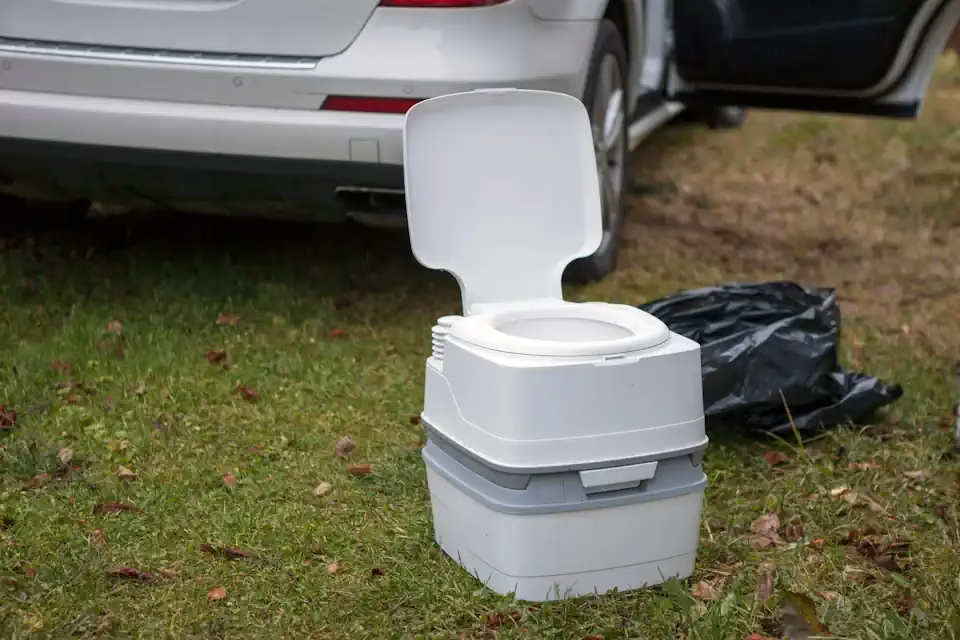
Chemical toilets have long been a popular choice for campers seeking a self-contained and relatively simple waste management system. These units typically consist of a top section with a flush water tank and a lower section, the waste holding tank, which contains chemicals designed to break down waste and control odors.
They offer the convenience of mobile toilet use without needing external connections, making them suitable for RVs, vans, and even tent camping where space allows. They also operate without electricity, adding to their versatility.
However, the primary drawback of chemical toilets lies in the emptying process. This can often be an unpleasant and unhygienic task, requiring disposal at designated stations, which aren’t always readily available. The reliance on chemical additives also raises environmental concerns for some users. While they provide a quick fix for immediate needs, many campers find themselves using them only in emergencies to avoid the hassle of emptying.
Pros:
- Mobile and self-contained, no external connections needed.
- Operates without electricity.
Cons:
- Unpleasant and unhygienic emptying process.
- Requires disposal at specific stations.
- Relies on chemical additives, which can be an environmental concern.
Bucket Toilets: The Simple, No-Frills Approach
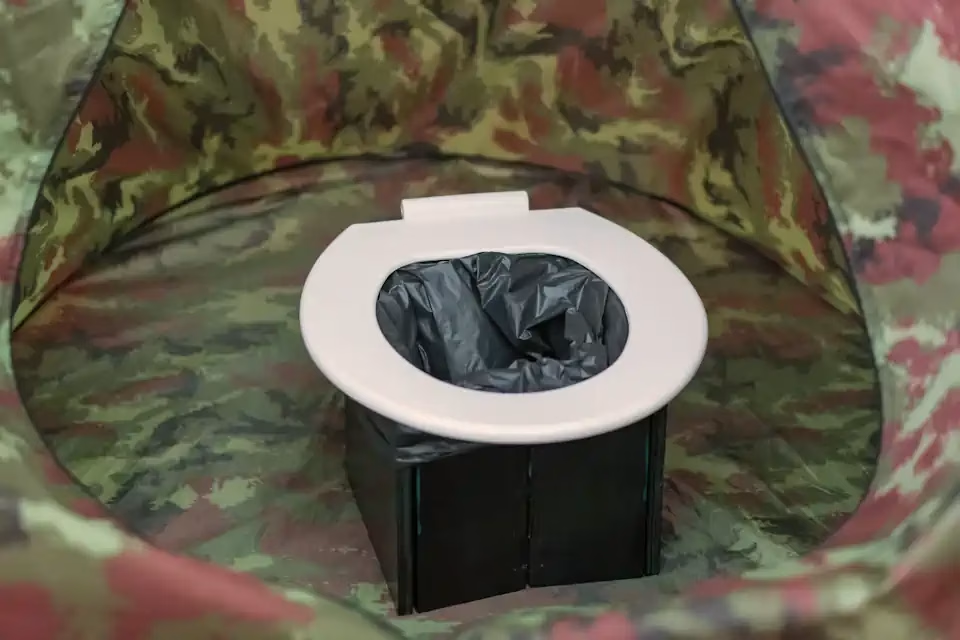
For those who prioritize simplicity and cost-effectiveness, the bucket toilet is a straightforward option. At its core, it’s exactly what it sounds like: a bucket adapted for use as a toilet. These can range from a basic five-gallon bucket from a hardware store to more refined versions equipped with a toilet seat for a modicum of comfort. While certainly mobile and requiring no connections, water, electricity, or chemicals, bucket toilets come with significant trade-offs in terms of hygiene and comfort.
Sitting on a bucket toilet is generally not a comfortable experience, even with a seat. More importantly, since solid and liquid waste mix, and there are no chemicals to manage odors, frequent emptying is essential. It’s often recommended to empty and thoroughly clean the bucket after each significant use to prevent unpleasant smells and maintain a semblance of hygiene.
This frequent and often unhygienic disposal makes the bucket toilet a less appealing option for extended trips or those seeking a more comfortable experience. It’s best considered a last-resort solution rather than a primary camping toilet solution.
Pros:
- Highly mobile and requires no connections, water, electricity, or chemicals.
- Cost-effective and simple.
Cons:
- Very uncomfortable.
- Unhygienic emptying and disposal, often required after every use.
- Poor odor control.
Composting Toilets: The Eco-Friendly and Comfortable Choice
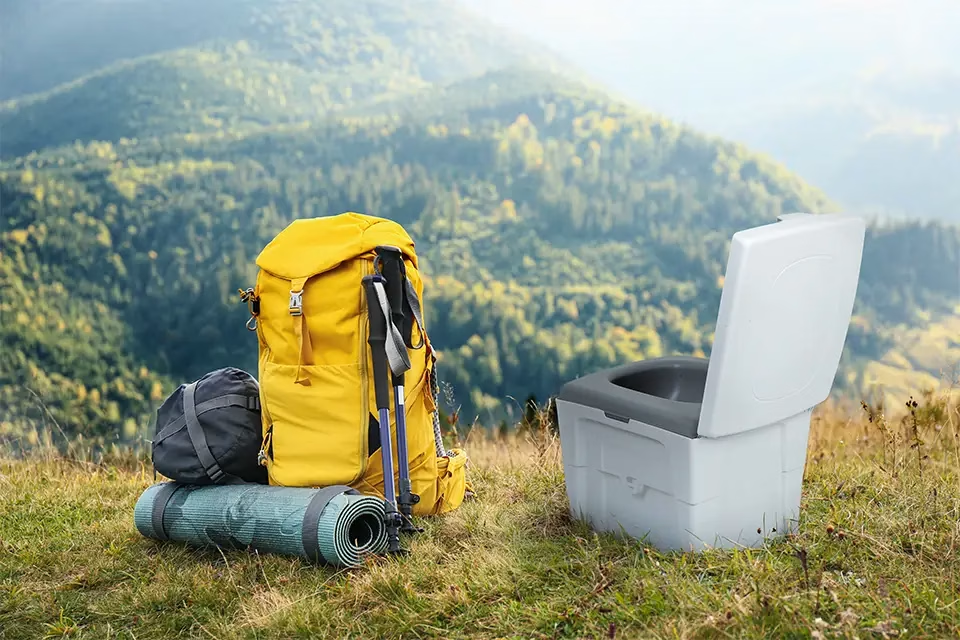
Composting toilets represent a significant leap forward in portable sanitation, offering a more comfortable, hygienic, and environmentally friendly alternative to chemical and bucket toilets. The key innovation lies in their ability to separate solid and liquid waste. This separation is crucial for minimizing odor development and greatly simplifying the emptying and disposal process.
Solid waste, often collected in a biodegradable liner, can be disposed of much like used diapers, while liquid waste can be easily flushed down a conventional toilet or safely dispersed in appropriate areas.
Unlike the spartan experience of a bucket toilet, sitting on a composting toilet is generally comfortable, akin to using a standard home toilet. This makes them an ideal camping toilet solution for extended trips, RVs, or even remote cabins where traditional plumbing isn’t feasible. They operate without water, electricity, or chemicals, relying instead on natural processes to manage waste. Their odorless operation during use is a major advantage, and many models designed for camping are compact, lightweight, and highly durable, making them reliable companions for any outdoor adventure.
Our conclusion on composting toilets: For campers seeking the ultimate in comfort, hygiene, and environmental responsibility, composting toilets are a clear winner. They offer a user experience comparable to a regular toilet, with the added benefits of straightforward and hygienic waste disposal. Their odor-free operation and robust, compact designs make them an excellent investment for any serious outdoor enthusiast.
Pros:
- Mobile and self-contained, no external connections needed.
- Works without water, electricity, or chemicals.
- Hygienic and straightforward emptying and disposal.
- Odorless in operation.
Cons:
- Requires the use of a carbon-based cover material (e.g., sawdust, coco coir).
Choosing the Right Camping Toilet: What to Consider?
Selecting the ideal camping toilet solution involves more than just picking the first one you see. It requires a thoughtful evaluation of your specific camping habits, the environment you’ll be in, and your personal preferences. Here are some key factors to consider that will help you make an informed decision and ensure your outdoor adventures remain comfortable and hassle-free.
Portability and Size: Will it Fit Your Adventure?
One of the most critical aspects of a camping toilet is its portability. If you’re backpacking, a lightweight, compact, and easily collapsible model will be paramount. For car camping or RV trips, you might have more leeway with size and weight, allowing for larger, more comfortable units. Consider the dimensions when packed down, how easily it can be carried, and whether it will fit comfortably in your vehicle or tent setup. A toilet that’s too bulky or heavy can quickly become a burden rather than a convenience.
Ease of Use and Maintenance: Keeping it Clean and Simple
Nobody wants to spend their precious camping time wrestling with a complicated toilet system or dealing with messy cleanups. Look for a camping toilet solution that is intuitive to set up, use, and most importantly, empty and clean. Features like easy-to-access waste tanks, simple flushing mechanisms (if applicable), and smooth, non-porous surfaces for effortless cleaning can make a world of difference. The easier it is to maintain, the more likely you are to use it and keep your campsite hygienic.
Odor Control: Keeping Your Campsite Fresh
One of the biggest concerns with portable toilets is odor. A well-designed camping toilet should effectively contain smells, ensuring your campsite remains a pleasant place to relax. Chemical toilets use deodorizers, while composting toilets rely on the separation of waste and the use of cover material to prevent odors. Bucket toilets, as noted, often struggle in this area. Consider the effectiveness of the odor control system, especially if you’ll be camping in warm weather or for extended periods.
Durability and Material: Built for the Great Outdoors
Camping gear needs to be tough. Your camping toilet solution will be exposed to various elements, from rough handling during transport to fluctuating temperatures. Look for models constructed from durable, high-quality materials that can withstand the rigors of outdoor use. UV-resistant plastics, sturdy hinges, and robust seals are indicators of a toilet built to last. Investing in a durable unit means it will serve you well for many adventures to come.
Top Camping Toilet Solutions for Your Next Adventure
While many brands offer excellent portable toilets, some stand out for their innovative design, durability, and user-friendly features. For those seeking lightweight and robust camping toilet solutions particularly suited for camping, models like the TROBOLO WandaGO, TROBOLO WandaGO Lite, and TROBOLO BilaBox are highly recommended. These units are specifically engineered with the outdoor enthusiast in mind, offering compact sizes and high durability.
What sets these models apart is their incorporation of the unique TROBOLO SafeShell System®. This innovative feature is designed to protect the liquid container from odors, ensuring your campsite remains fresh, and crucially, prevents any spillage during transport. Their compact design means they can be easily stored in various camping setups, making them reliable companions for any journey into the wilderness.
Essential Tips for Using Your Camping Toilet
Having the right camping toilet solution is only half the battle; knowing how to use and maintain it properly is equally important for a comfortable and hygienic camping experience. Here are some essential tips to ensure you get the most out of your portable toilet:
- Set Up in a Private, Level Spot: Choose a discreet location away from your main campsite and water sources. Ensure the ground is level to prevent tipping and provide stability.
- Use Biodegradable Products: If your toilet uses bags, opt for biodegradable ones. For composting toilets, use appropriate cover material like sawdust, coco coir, or peat moss to aid in the composting process and control odors.
- Empty Regularly: Don’t wait until the tank is overflowing. Regular emptying prevents odors from building up and makes the process more manageable. Follow manufacturer guidelines for disposal.
- Clean Thoroughly After Each Trip: Before storing your camping toilet, clean it thoroughly with appropriate cleaners. This prevents bacterial growth and ensures it’s ready for your next adventure.
- Consider a Privacy Shelter: A dedicated privacy tent or shelter can significantly enhance the comfort and discretion of using your portable toilet, especially in open camping areas.
- Educate Yourself on Local Regulations: Always be aware of and adhere to local regulations regarding waste disposal. Some areas have specific rules for human waste, even when using portable toilets.
The Future of Outdoor Hygiene: Innovations in Camping Toilets
The world of camping toilet solutions is constantly evolving, driven by a demand for more sustainable, convenient, and comfortable options. Innovations are focusing on enhanced odor control, more efficient waste processing, and even smarter designs that integrate with other camping gear. We can expect to see further advancements in composting technology, lighter and more durable materials, and perhaps even smart features that monitor waste levels or suggest optimal disposal times. These ongoing developments promise to make outdoor hygiene even more seamless, allowing campers to focus entirely on the beauty of their surroundings.
Conclusion: Elevate Your Camping Experience with the Right Toilet Solution
Choosing the right camping toilet solution is a pivotal step towards a more enjoyable, comfortable, and responsible outdoor experience. Whether you opt for the simplicity of a bucket toilet, the convenience of a chemical toilet, or the eco-friendly comfort of a composting system, understanding your options and making an informed decision will significantly enhance your time in nature. By prioritizing hygiene, privacy, and environmental stewardship, you can ensure that your camping adventures are memorable for all the right reasons, leaving no trace behind but footprints and good memories. For more ways to enhance your outdoor adventures, check out our guide on essential camping equipment.